
June 8, 2026
How AI Helped Us Replace a ¥10 Million HR System in Just One Week



Since 2024, Weathernews has been actively encouraging the use of AI across the company, holding regular workshops, hackathons, and training sessions open to every employee.
That effort recently paid off in a striking way. During one of our internal AI workshops, a team built a prototype HR system capable of replacing an existing tool that costs roughly ¥10 million (about USD 70,000) a year. The new system is set to begin internal operation soon.
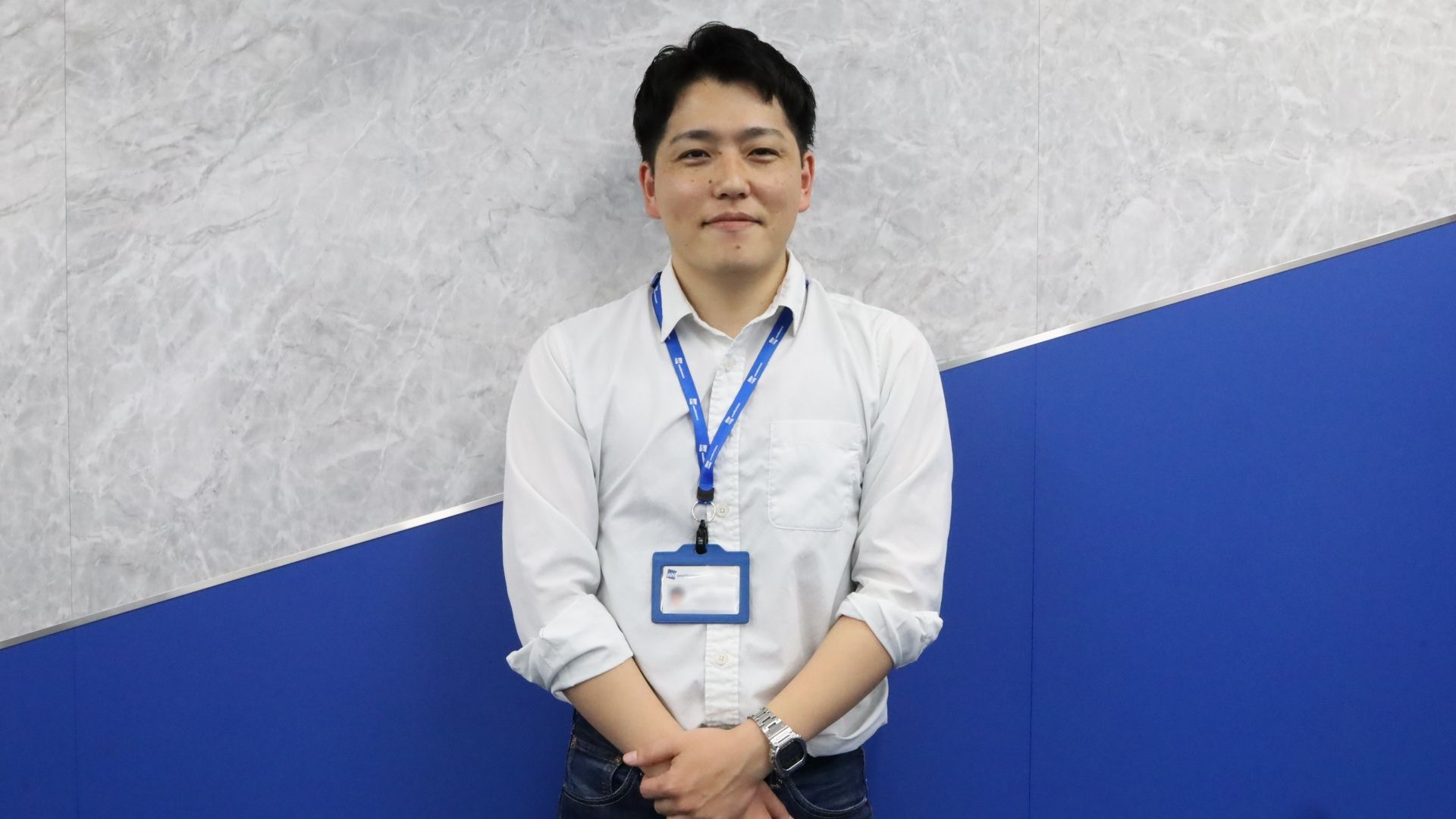
In this article, we spoke with Shogo Furuta, who led the development, about how the project came together and how AI made such rapid progress possible.
Bringing Engineers and Non-Engineers Together to Solve Business Challenges with AI
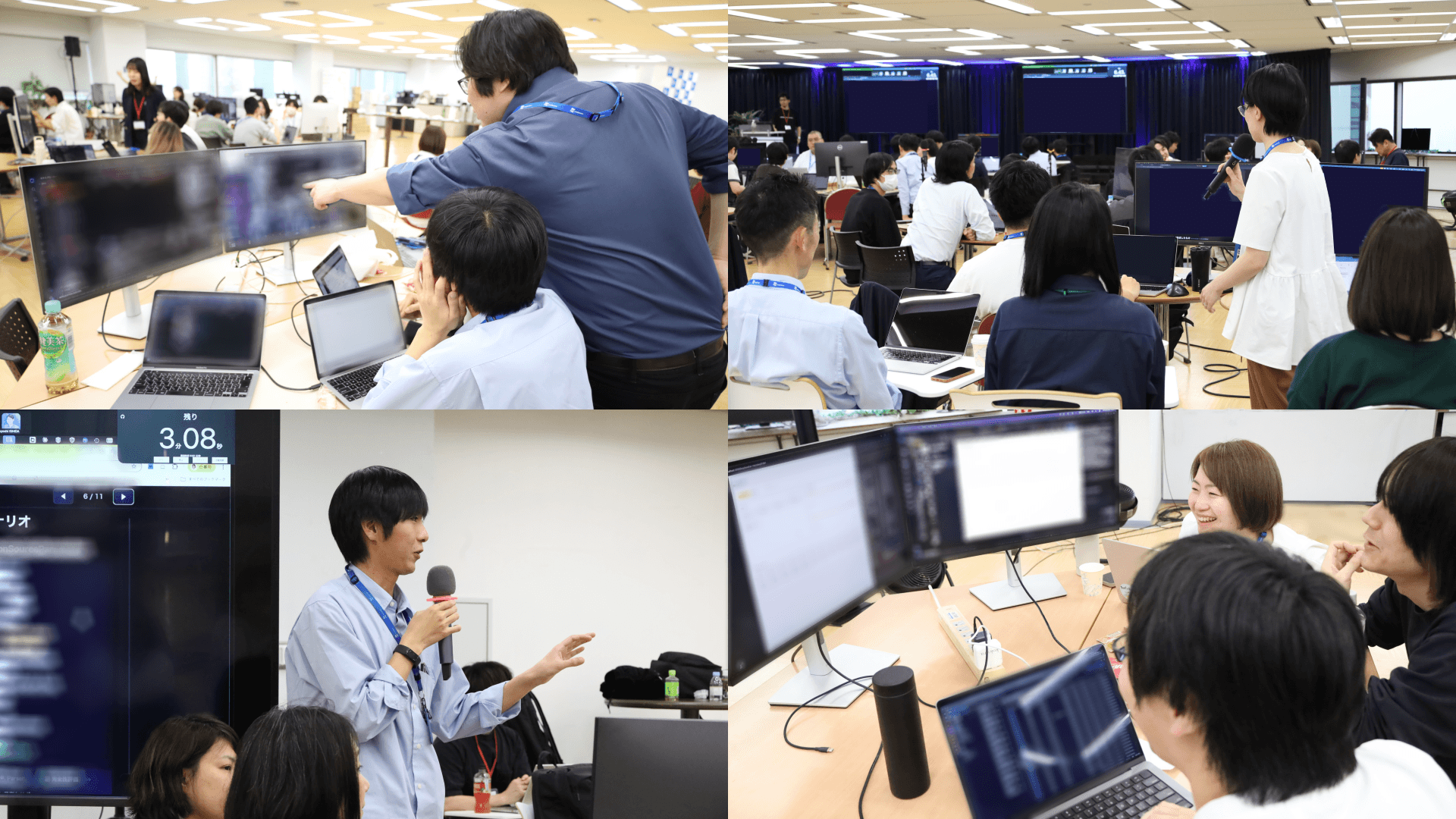
The AI workshop ran over three days and brought together around 60 employees across 12 teams, drawn from a wide range of departments including engineering, sales, and operations.
Our previous company-wide Generative AI Hackathon1 was all about encouraging employees to experiment with AI and share ideas freely, without any fear of getting it wrong. This workshop raised the bar. This time, teams were challenged to build things that could actually be put to work: real customer-facing services, internal forecasting models, and business systems ready for day-to-day operations.
My own area of responsibility is cloud infrastructure development, operations, and cost management, so I started by using AI to create a dashboard that visualized the cloud costs I oversee on a daily basis.
As I was walking our executives through the finished dashboard, the conversation drifted to an HR system we had adopted some time ago.
"We originally chose this system because it offered so many features, but now that we've been using it for a while, the balance between cost and how much we actually use doesn't feel quite right. With AI, couldn't we just build something ourselves? Let's give it a try."
That conversation became the spark for the whole project.
AI-Driven Development Through Natural Conversation
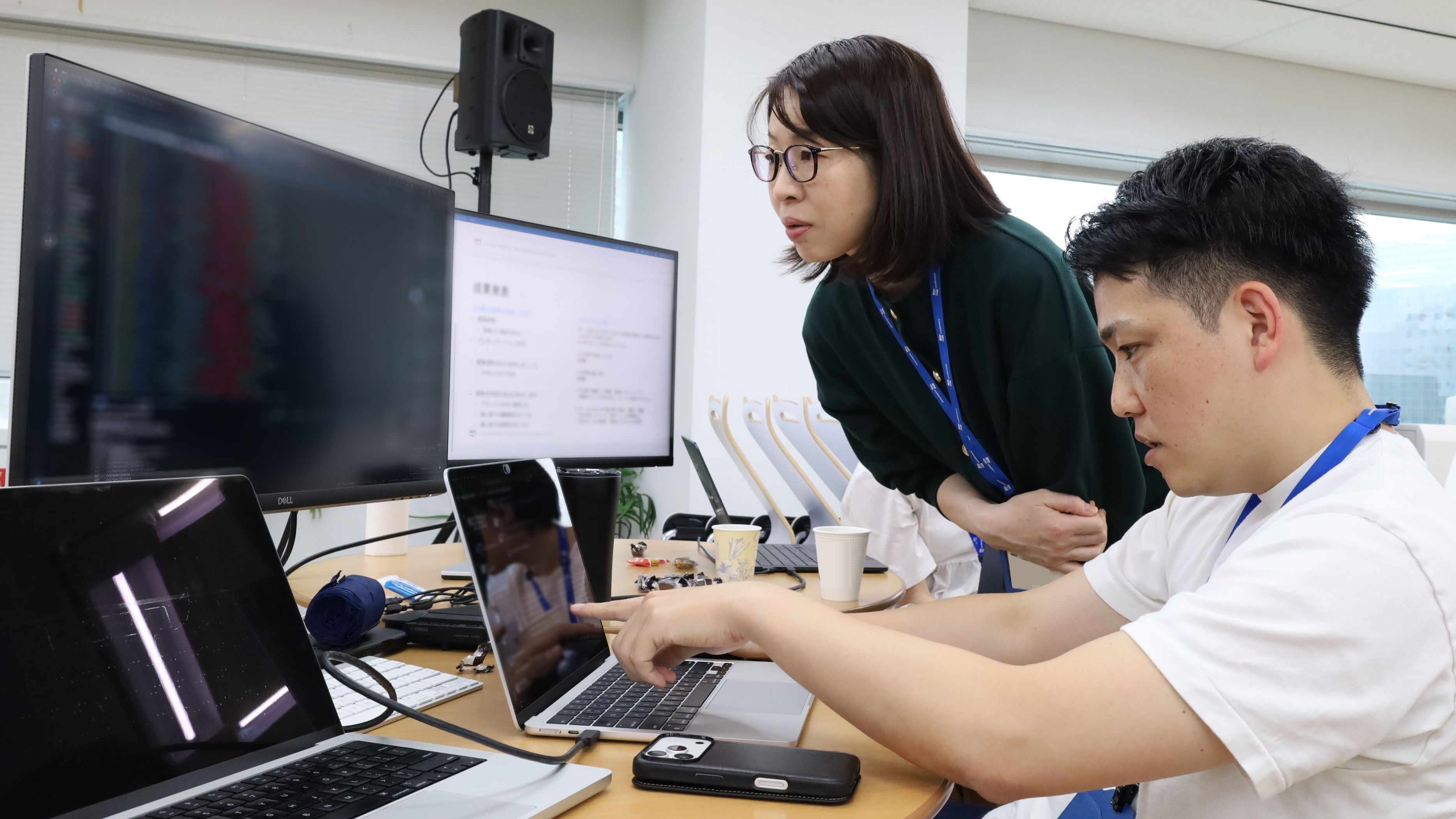
Right after the first day of the workshop, I went straight to the Human Resources department and asked, "Would you like to build this together?" From there, it took just two more days to create a working prototype.
Traditionally, software development moves through a long series of stages: defining requirements, writing specifications, requesting designs from web designers, implementing features, reviewing prototypes, and cycling through revision after revision. The whole process tends to demand significant time, coordination, and manpower.
This project was different.
Rather than writing out detailed specifications, we simply described our goals to the AI in plain, natural language. Moments after we gave it instructions, the system would rewrite itself automatically, updating the application in real time and bringing our ideas to life right in front of us.
In the past, a large share of development time went into the coding itself. With AI, people can concentrate on describing what they want to achieve, while the AI handles much of the implementation. Once you define the outcome you're after, AI can help organize information, structure requirements, and even generate the necessary code. People stay responsible for reviewing the results, validating the code, and making the key calls whenever the AI offers several options.
To put it simply: "AI does the driving, while humans handle the navigation."
With responsibilities split this way, the team could focus entirely on deciding what kind of system they actually wanted to build. The result: a working prototype in just three days, and development far enough along that a pilot run could begin within about a week, counting the days that followed. That kind of speed is unprecedented, and it let us turn the HR team's ideal vision into a working system in a remarkably short time.
Growing Excitement About AI Across the Organization
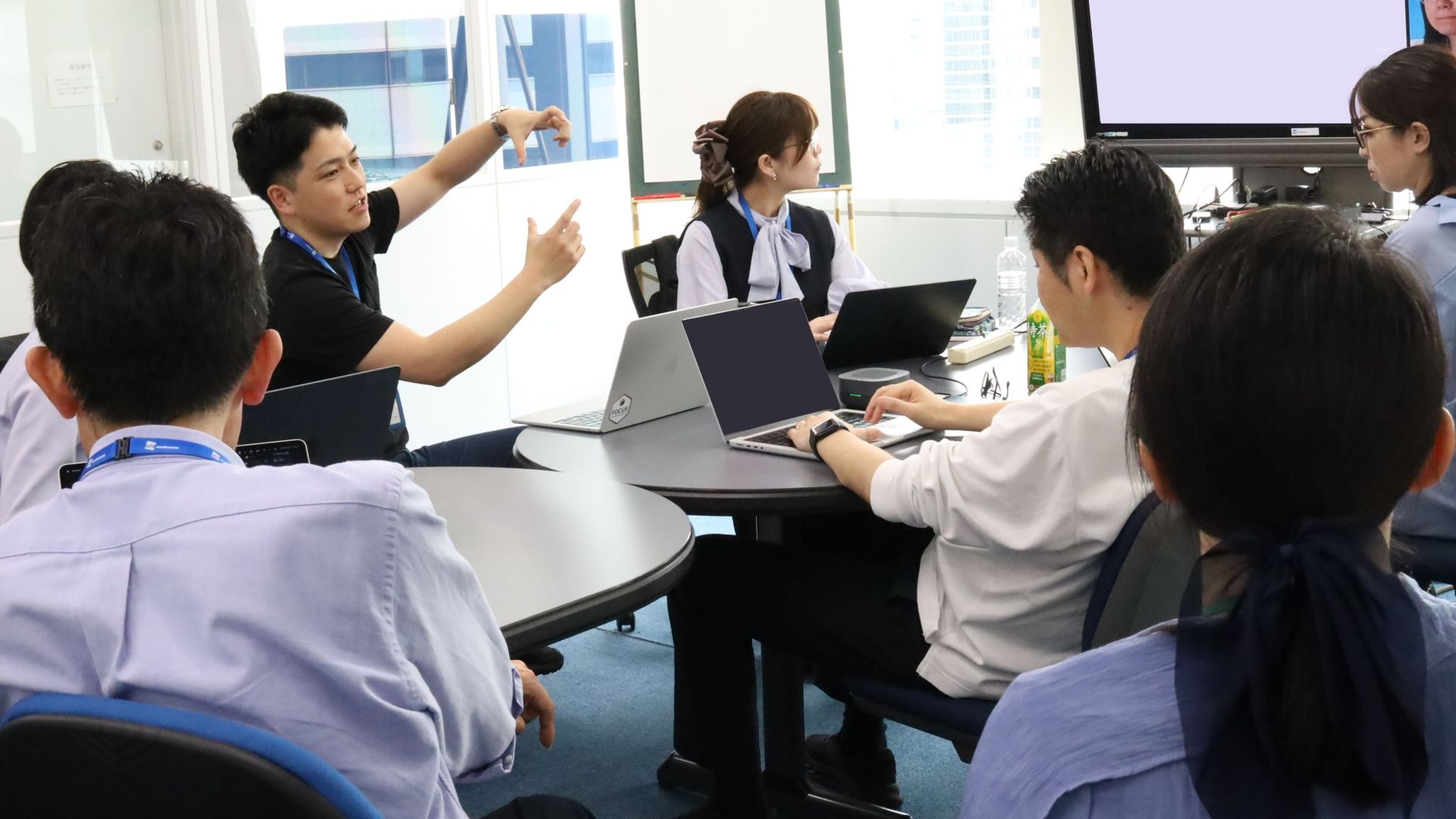
One of the HR team members who took part in the AI workshop shared this reflection:
“Because every part of system development could be structured through our conversations with AI, organizing and refining the requirements moved along far faster than usual. Even after we'd defined the requirements and started generating code, it was easy to go back to the originals and add non-functional requirements as needed. Best of all, we reached the point where we had a system we could actually see, interact with, and use. That was an incredibly valuable outcome."
News of the project's success spread quickly across the company.
Administrative staff working alongside the HR team, in particular, began asking themselves, "Could we use AI to optimize the costs of our own operations too?" Before long, remarks like "Look what I made, it was so easy!" started popping up around the office, as employees discovered new ways to streamline their work with AI.
What stood out most was that none of this was driven by management directives. Instead, employees were inspired by a firsthand success story, one that showed how technology could empower them to improve the company themselves. Motivated by what they'd seen, they started taking the initiative and exploring new possibilities on their own.
Looking back, the most valuable thing we gained from this project wasn't the potential ¥10 million in annual savings. It was the realization that there is still tremendous untapped potential for AI right across the organization.
There were so many ideas and initiatives we'd set aside in the past because they seemed too difficult, too time-consuming, or too costly. With AI, we're excited to take on new challenges, unlock new opportunities, and accelerate innovation throughout the company.
Footnotes
Share
October 16, 2026
Chiba Torrential Rain Disaster: How Weathernews Protected Employees and Maintained Business Continuity
September 15, 2026
Behind the AI System Delivering Forecasters’ Messages to People Around the World in Just Three Lines
![[2026 Kumamoto Earthquake] How Weathernews LiVE Protects Lives Through User Reports and Expert Analysis](https://gvs.weathernews.jp/wni_blog_media/large_20260914_top_3958fce7fc.png)
September 14, 2026
[2026 Kumamoto Earthquake] How Weathernews LiVE Protects Lives Through User Reports and Expert Analysis