
June 2, 2026
Forecasting Global Rain Clouds at 1 km Resolution



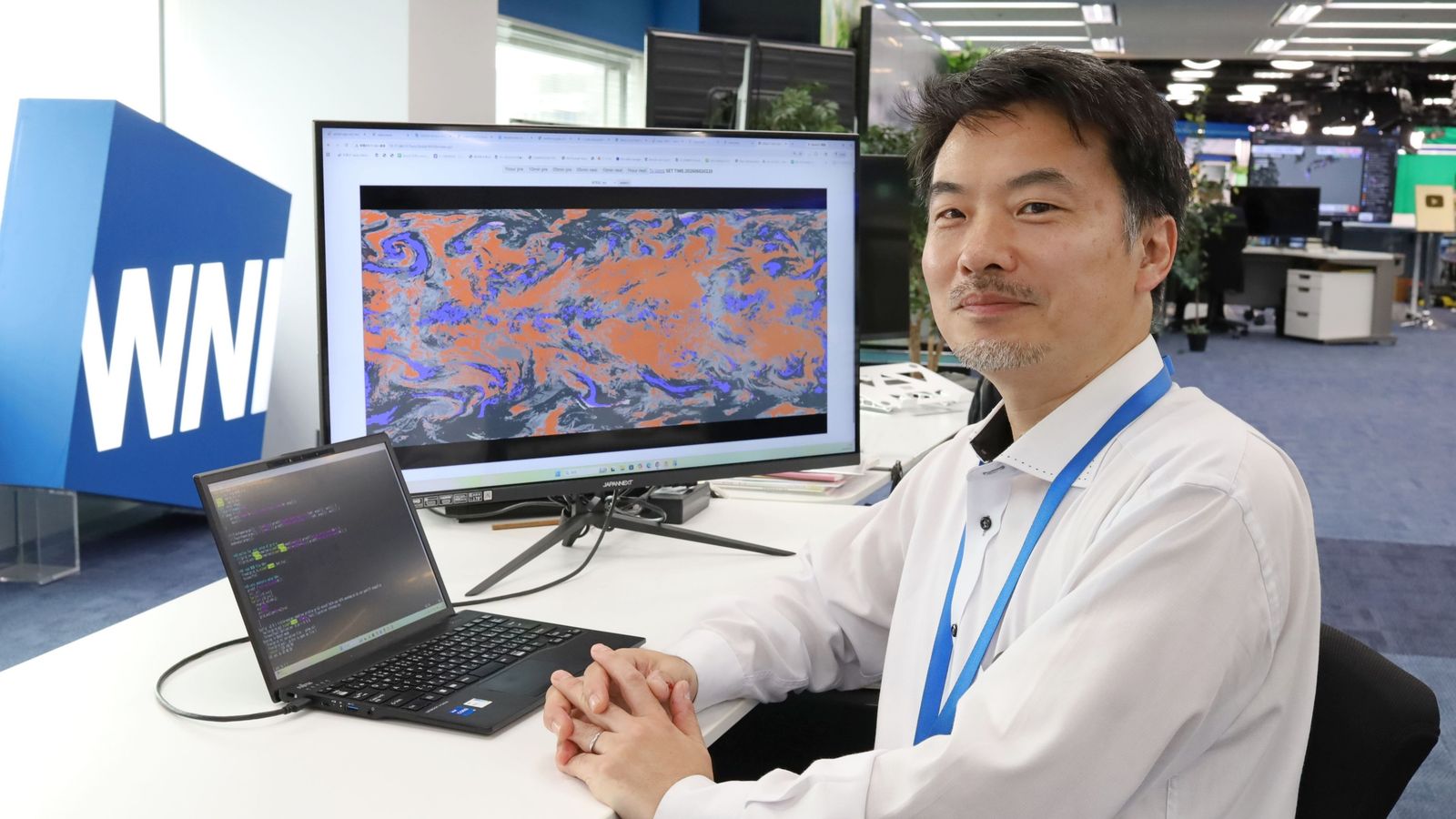
On April 30, 2026, Weathernews, the operator of Japan's most used weather app 12, launched a major upgrade to the Weathernews app, bringing an unprecedented high-resolution global rain radar service to users around the world.
With this update, users can now view rain cloud forecasts anywhere in the world at 1 km resolution, refreshed every 10 minutes and looking up to 30 hours ahead. Travelers abroad can also access weather forecasts, meteorological information, and severe weather alerts at the same level of quality they've come to expect in Japan.
In this interview, we sat down with Junji Ikai, Development Leader at the Forecast Center and the technical lead behind the global rain radar project, to discuss the challenges and innovations that made this launch possible.
With the global expansion of the rain radar, the coverage area has grown dramatically, hasn't it?
Ikai: If you look at the total area being forecast, it's roughly 72 times the size of Japan. In terms of forecast grid cells, we're now calculating approximately 648 million grid points — and for every single one of those points, the system generates a new forecast every 10 minutes, looking up to 30 hours ahead.
That's an almost unimaginable amount of computation. How did you tackle a challenge of that scale?
Ikai: It really is an astronomical number (laughs). Even within the weather industry, very few organizations handle this level of computation on a continuous, daily basis.
The key was cloud technology.
If we had relied on traditional on-premises servers, the computing power required would have meant enormous upfront investment. With today's advanced cloud infrastructure, we were able to achieve the same result at a fraction of the cost.
Speed was another major advantage. From the start of development to launch, we delivered the service in just three months. With on-premises systems, you have to wait for hardware to be procured, shipped, and installed before you can even begin. Cloud services let us access the resources we need, exactly when we need them — which means we can keep building and shipping new capabilities to users without losing momentum.
In many ways, this project is a reflection of our commitment to keeping pace with technological progress and making the most of what it offers.
Committed to Both Accuracy and User Confidence
What specific innovations were implemented to make this possible?
Ikai: The foundation of any accurate forecast is knowing exactly what's happening on the ground, in real time.
To achieve that, we source observation data directly from meteorological agencies around the world, including weather radar information, and built a system designed to get the most out of these datasets.
The forecasts are actually generated in two stages. In countries and regions where weather radar and surface observation data are available, we recalculate forecasts at an even finer level of detail. The result: when users zoom in from the global map to a specific location, they see a more accurate, localized forecast.
One challenge, however, is that data quality varies considerably from country to country. Using the raw data without adjustment would reduce forecast accuracy, so we put significant effort into quality control processes such as noise removal and data cleansing.
Unlike Japan, there are many places around the world without weather radar coverage, such as oceans, deserts, and remote regions. How do you handle those areas?
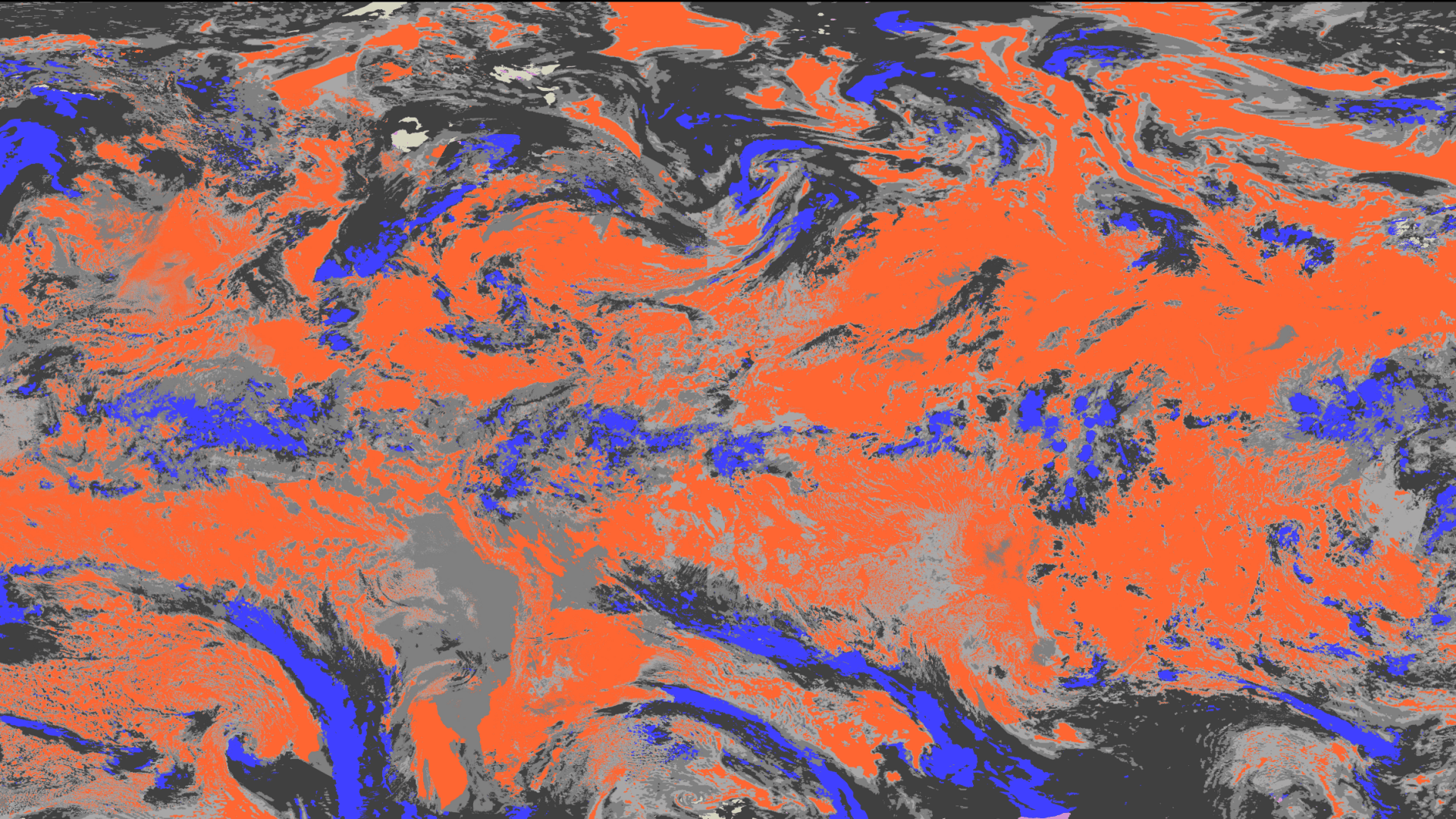
Ikai: In regions like those, we rely on weather satellites capable of observing the entire globe every 10 to 15 minutes, combined with numerical weather prediction models. For example, we estimate rain clouds by bringing together satellite-based analyses of cumulonimbus clouds and forecast model data. By making full use of every real-time observation source available to us, we can generate rain radar imagery even in areas where no ground-based radar system exists.
In Japan, Weathernews improves forecast accuracy by utilizing Weather Reports submitted by users.3 Do you plan to use Weather Reports globally as well?
Ikai: Actually, Weather Reports are already integrated into the global rain radar system.
No matter how advanced our technology becomes, it's impossible to determine with complete certainty from satellites alone whether light rain is actually reaching the ground. That's exactly what makes Weathernews' Weather Report system, which collects observations submitted directly by users, so valuable.
That said, we don't simply take every report at face value. Drawing on the expertise we've built up in Japan, we apply filtering processes to remove unreliable reports, for example, a report of torrential rain from a location with completely clear skies, or a snowfall report when the temperature is 30°C.
My dream is to see the world map filled with Weather Reports from users all around the globe. I'd love to help build a world where the effective resolution of weather observations keeps improving, powered by the participation of our supporters.
I personally tried the newly released rain radar, and watching rain clouds move smoothly up to 30 hours into the future was genuinely impressive.
Ikai: That's actually what I cared about most. Forecast accuracy matters, of course. But I also wanted users to feel that the forecast genuinely "makes sense" when they look at it. When we first developed Japan's rain radar, there were moments when typhoon rainbands moved in ways that didn't look realistic, or individual rain clouds split in ways that felt unnatural on screen. For the global version, I kept returning to the radar display, looking for exactly those kinds of subtle inconsistencies, the sort that only a meteorological professional might notice, and refining the underlying data until the movement of the rain clouds looked natural and convincing.
Just the Beginning: Toward a Weather App That Travels the World With You
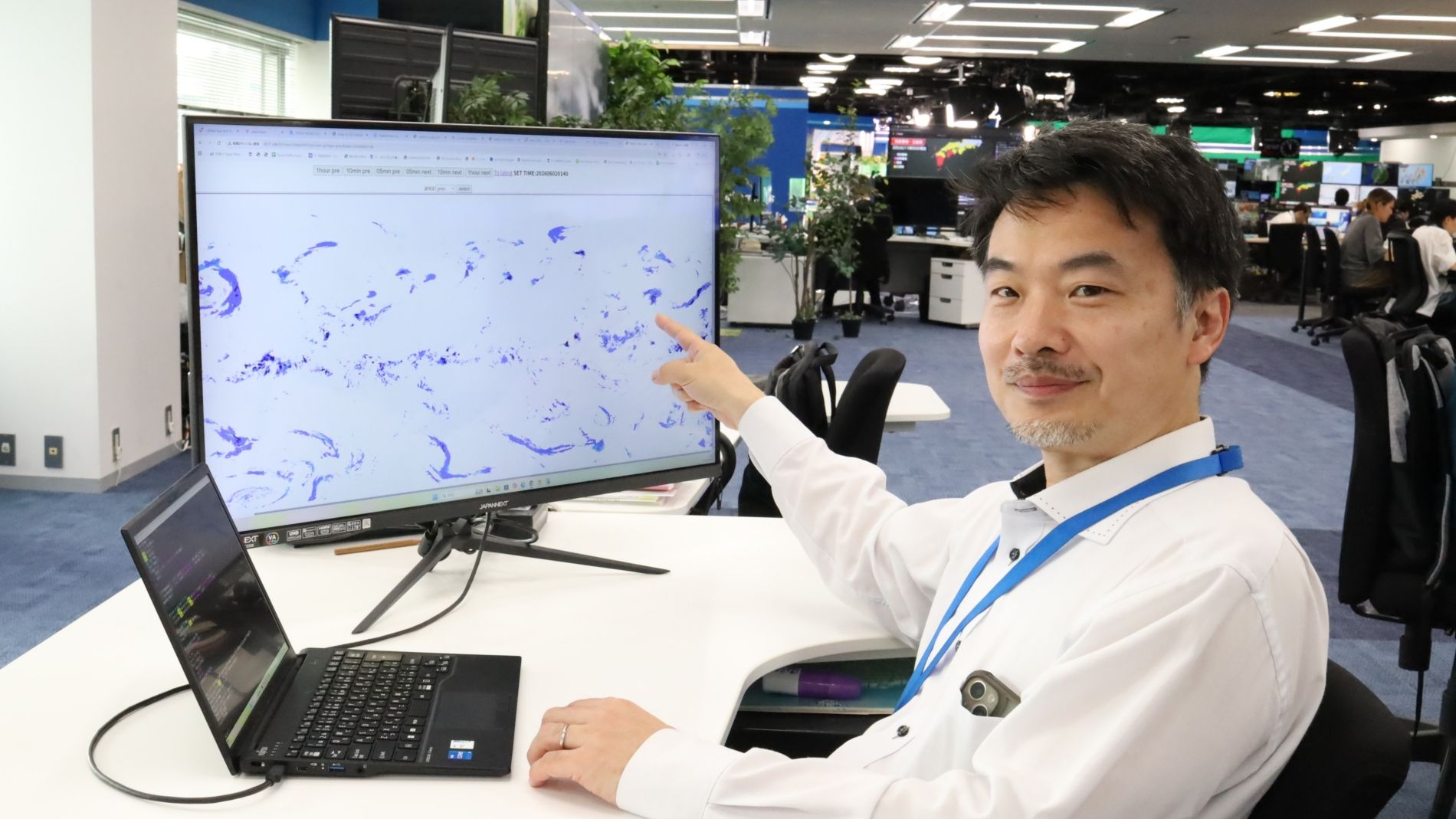
Weathernews' vision of "weather forecasting created together with users" has now gone global. To close out our conversation, could you share what's next and the broader vision you're working toward?
Ikai: We plan to gradually introduce local observation data from more regions, including Australia, Canada, Türkiye, and Eastern Europe. By bringing in the latest real-time observations from around the world, we expect forecast accuracy to improve even further.
The challenges ahead, though, aren't only technical. As we expand, national regulations and operational licensing requirements will grow in importance. In fact, some countries currently prohibit their meteorological data from being distributed overseas.
Weathernews has been steadily building relationships with meteorological agencies across Asia and beyond, and we intend to keep strengthening those partnerships to support ongoing improvements in forecasting technology.
For us, this global launch is not the destination. It's only the starting line.
We want people to feel confident knowing that wherever they travel in the world, they can simply open the Weathernews app and find reliable weather information waiting for them. Our goal is to build forecasting data that becomes the ultimate travel companion: a trusted source of reassurance, wherever the journey takes you.
Footnotes
Share
October 23, 2026
【Behind the Scenes of the 2026 Aichi-Nagoya Games】What Kind of Weather Information Is Being Used to Ensure the Safety of Staff and Athletes from 45 Countries and Regions?
October 16, 2026
Chiba Torrential Rain Disaster: How Weathernews Protected Employees and Maintained Business Continuity
September 15, 2026
Behind the AI System Delivering Forecasters’ Messages to People Around the World in Just Three Lines