
Weathernews Forecast Center
Kiyoteru Morita
April 13, 2026



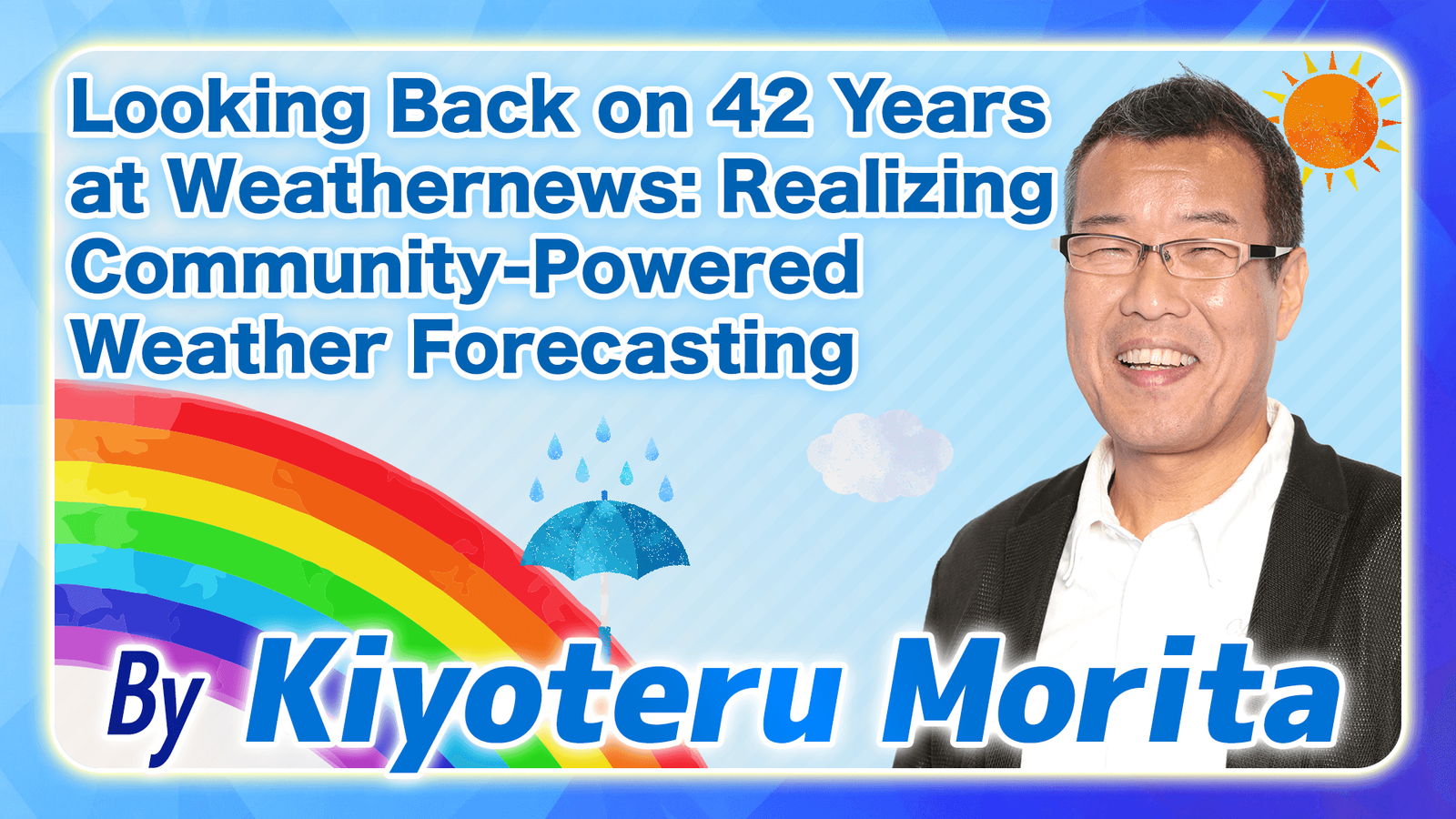
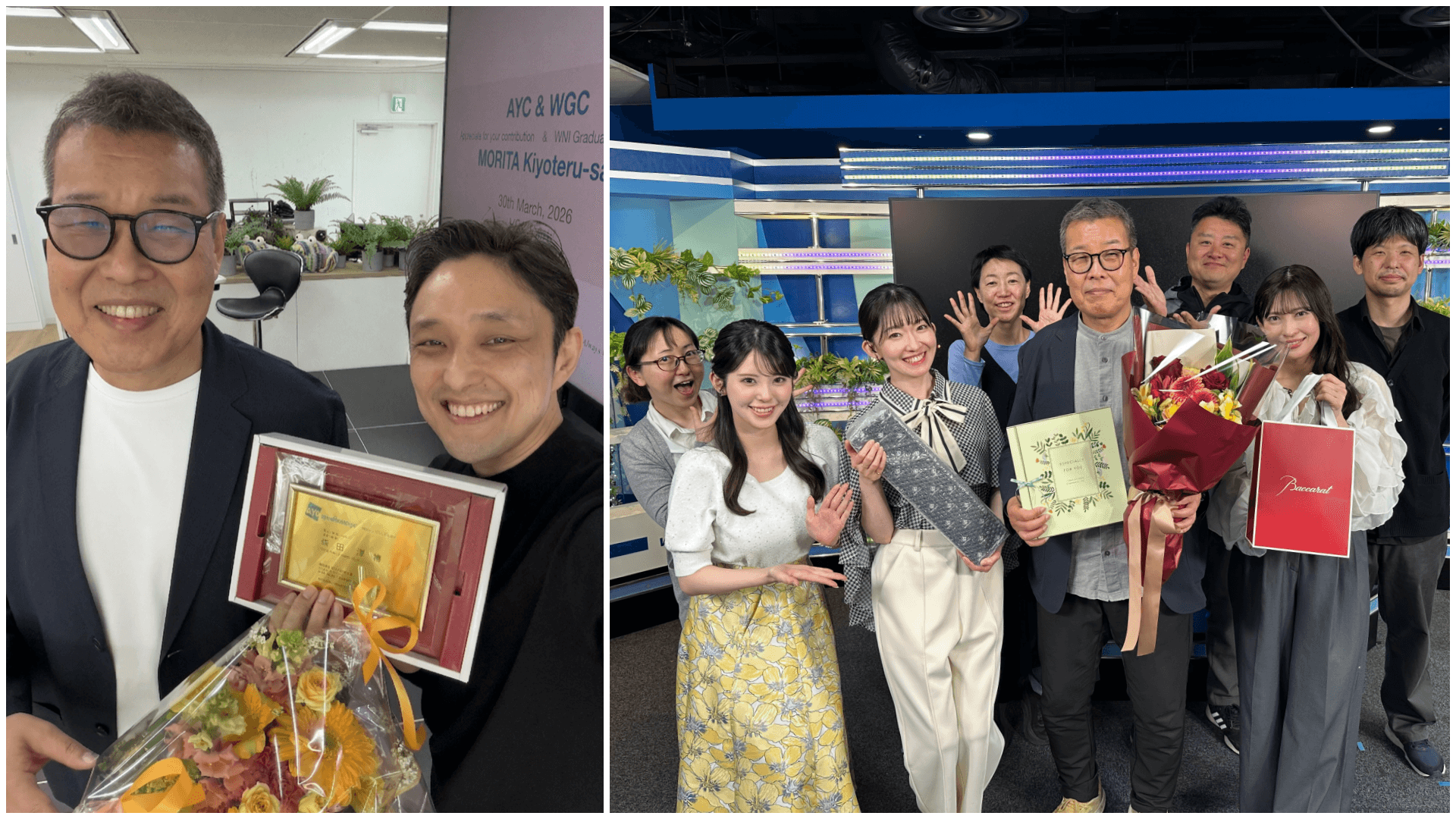
Kiyoteru Morita (Employee No. 57) joined Ocean Routes, the predecessor of Weathernews, in 1984, where he was responsible for marine and coastal meteorology.
Over his 42 years at Weathernews, he participated in launching numerous services and teams, and contributed greatly to the company's development, including through his appearances as a commentator on Weathernews LiVE.
“I have done everything I needed to do after these 42 years.”
With these words, Mr. Morita reflects on his life at Weathernews.

Weathernews Forecast Center
Kiyoteru Morita
Kiyoteru Morita joined Ocean Routes (later Weathernews) in 1984, where he was involved in launching various departments and services. From 2023 onward, he served as a commentator on Weathernews LiVE, and made his final appearance on March 29.
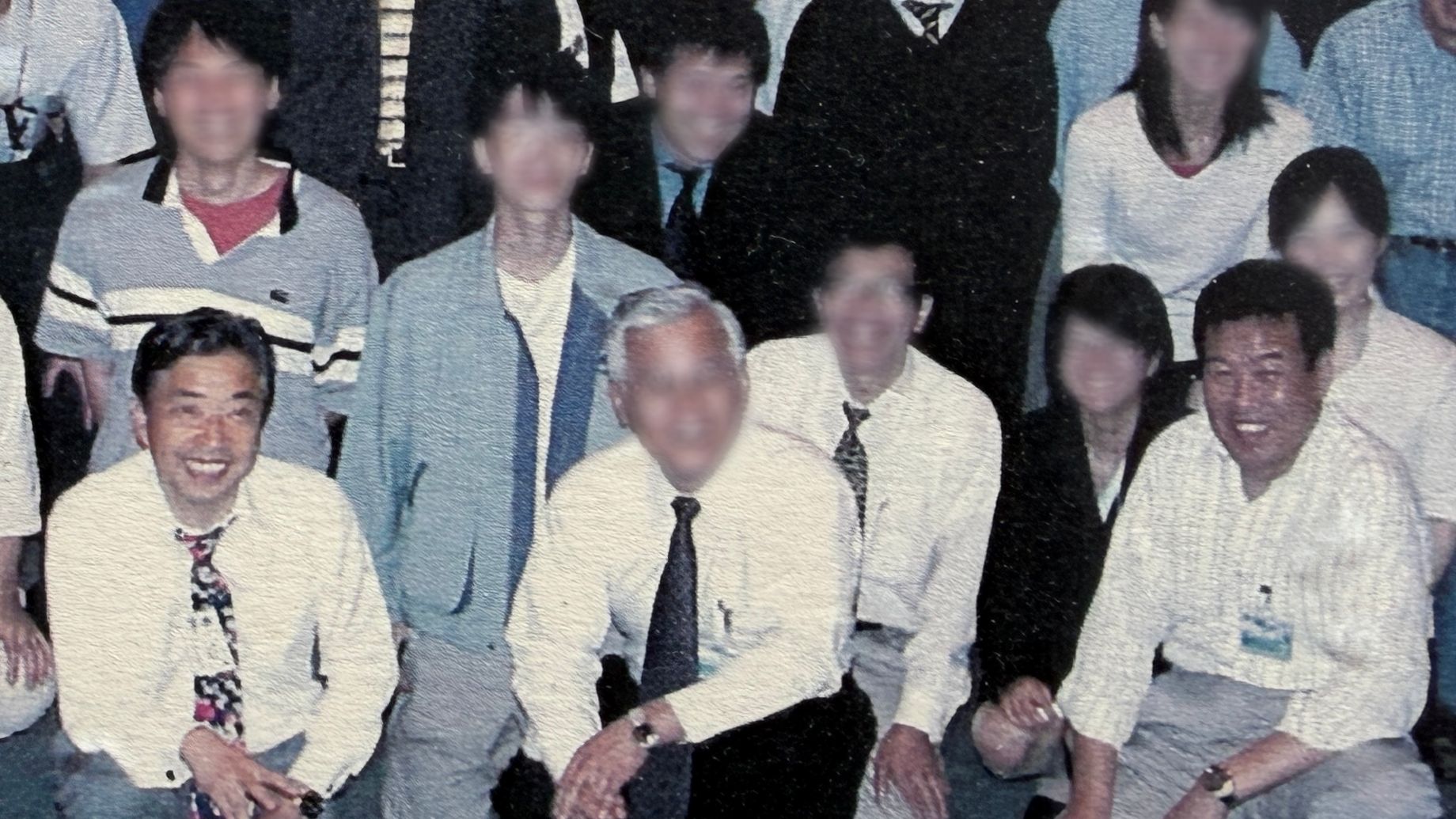
Right after graduation, I joined a different weather company that was not Weathernews.
There, I spent five years rigorously training in what would now be considered classical methods: observation, statistics, and forecasting. As I began searching for the next stage in my career, I encountered Oceanroutes (later Weathernews) in 1984.
Up until that point, accessing AMeDAS data meant physically going to the Japan Meteorological Agency, borrowing paper documents, and manually copying by hand the elements and time periods I needed for specific locations (hard to believe now, isn't it?).
At Oceanroutes, however, I was astonished to discover that this data was available online and could be viewed on state-of-the-art PC screens. What's more, Himawari satellite images were luxury items that cost nearly ¥10,000 per image if you went to other companies to purchase them. But the company had a Himawari receiver installed, allowing us to view the latest imagery directly on displays... it was like paradise.
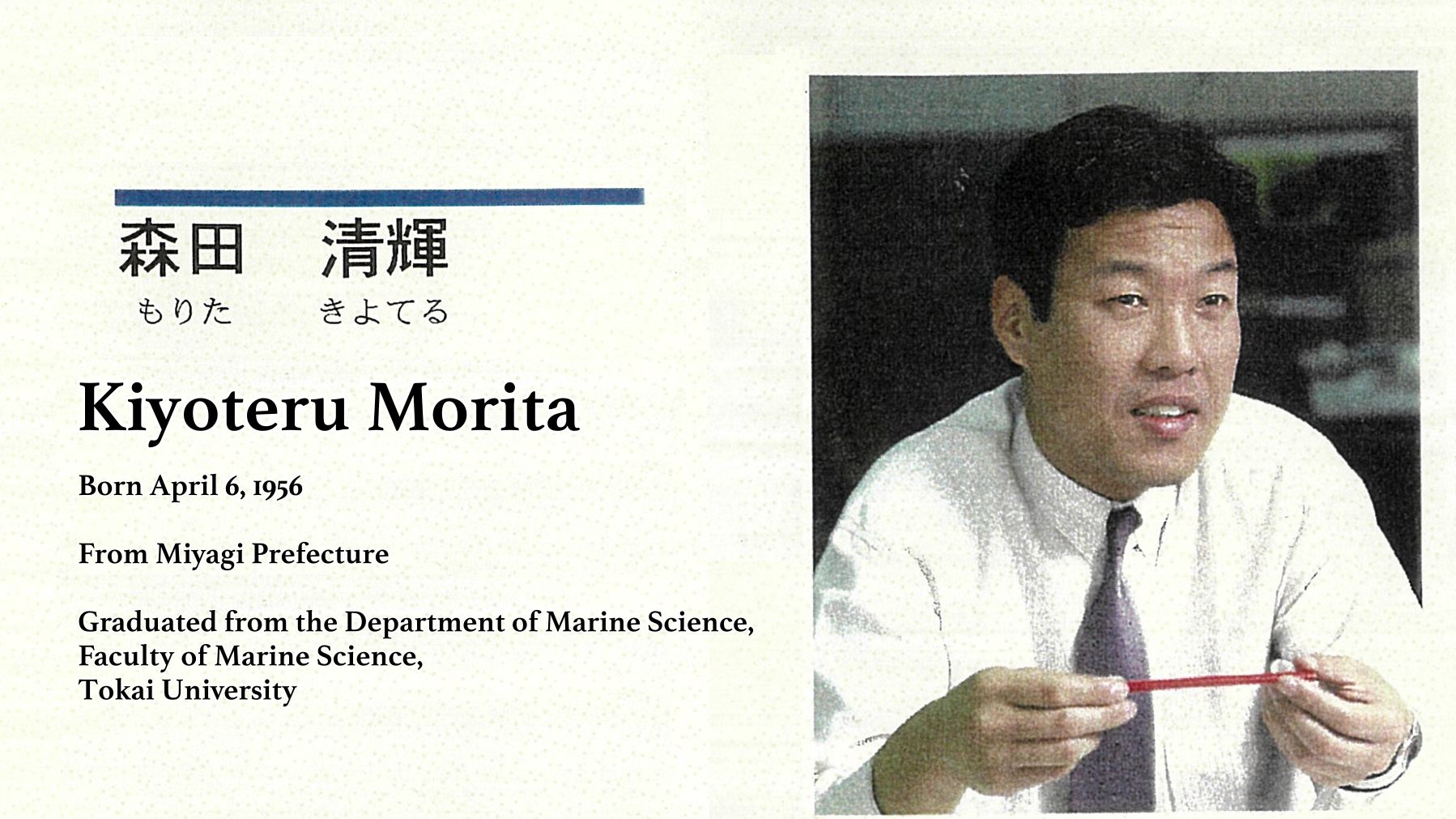
Though the company had only around 30 employees, it was brimming with energy. On the very day I visited for a company tour, I met with the founder and was hired on the spot.
At the time, the headquarters was located in Akabanebashi, and at night we would head together to the Latin Quarter (a high-end nightclub in Akasaka that has since closed) with the momentum of an off-site training session.
"I want to make this the best forecasting company in Japan!"
"No, the best in the world!!"
Listening to founder Mr. Ishibashi speak with such passion and intensity, my first impression was: "...Who is this old guy...?"
Back then, Weathernews had nowhere near the recognition it has today. When we'd call and say "This is Weathernews," people would often mishear us and ask, “Did you say Uezawa Nyugyo?”—mistaking us for a local milk company due to the similar sound. It was a routine misunderstanding.
When I joined Weathernews, we were constantly launching new departments and services. It was half exciting, half exhausting, and I survived this pioneering era.
What stands out particularly was kicking open the major door of the "Revision of the Meteorological Service Act", an effort we had been lobbying the Japan Meteorological Agency for since 1989.
At the time, private companies were prohibited by the Meteorological Service Act from issuing their own forecasts to the public. As part of the private sector's effort to relax these regulations, we spent four years in negotiations with the Japan Meteorological Agency.
We engaged various stakeholders including other weather companies and broadcast media. Under Mr. Ishibashi's leadership, I played my role both on the front lines of negotiations with the Japan Meteorological Agency and behind the scenes. This remains one of the most significant accomplishments of my career at Weathernews and a major milestone that contributed to the advancement of the entire weather industry.
While the weather business was a niche industry at the time, Weathernews was a distinctive presence. From its founding, the company proclaimed, "We don't sell forecasts, we sell countermeasure services for weather impacts," finding opportunity in developing and expanding corporate services.
As a result, in addition to conventional forecasting divisions, we established departments specializing in services not found at other companies.
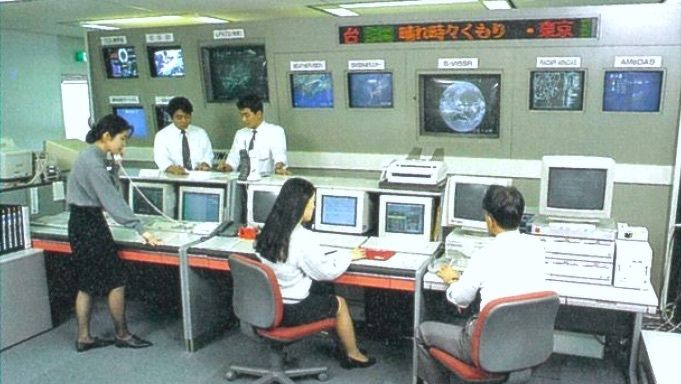
In 1995, the revision of the Meteorological Service Act, the so-called "liberalization of weather forecasting", brought major changes within the company as well.
Until then, forecasts created manually from weather charts depended on the forecaster's skills (subjective forecasting). As a result, forecast quality and productivity were person-dependent and unstable.
However, after the "liberalization of weather forecasting," numerical forecast results (GPV*) were made publicly available, stabilizing forecast quality.
We restructured operations to separate forecast production from service delivery, shifting away from a person-dependent system toward a more efficient, systematic organization.
*GPV (Grid Point Value): High-precision numerical forecast data generated by supercomputers, simulating atmospheric conditions (temperature, wind, precipitation, etc.) at grid points across the globe using physical equations.
The founder had long believed that solutions to weather impacts would become a major source of value for businesses. With this conviction, he took newly developed services and rapidly expanded sales to media outlets, CATV stations, and the booming convenience store chains. However, this rapid expansion created imbalances, and frontline teams struggled to keep up with service delivery.
"Cleaning up that chaos was quite the ordeal. I still get phantom pains just thinking about it.(laughs)"
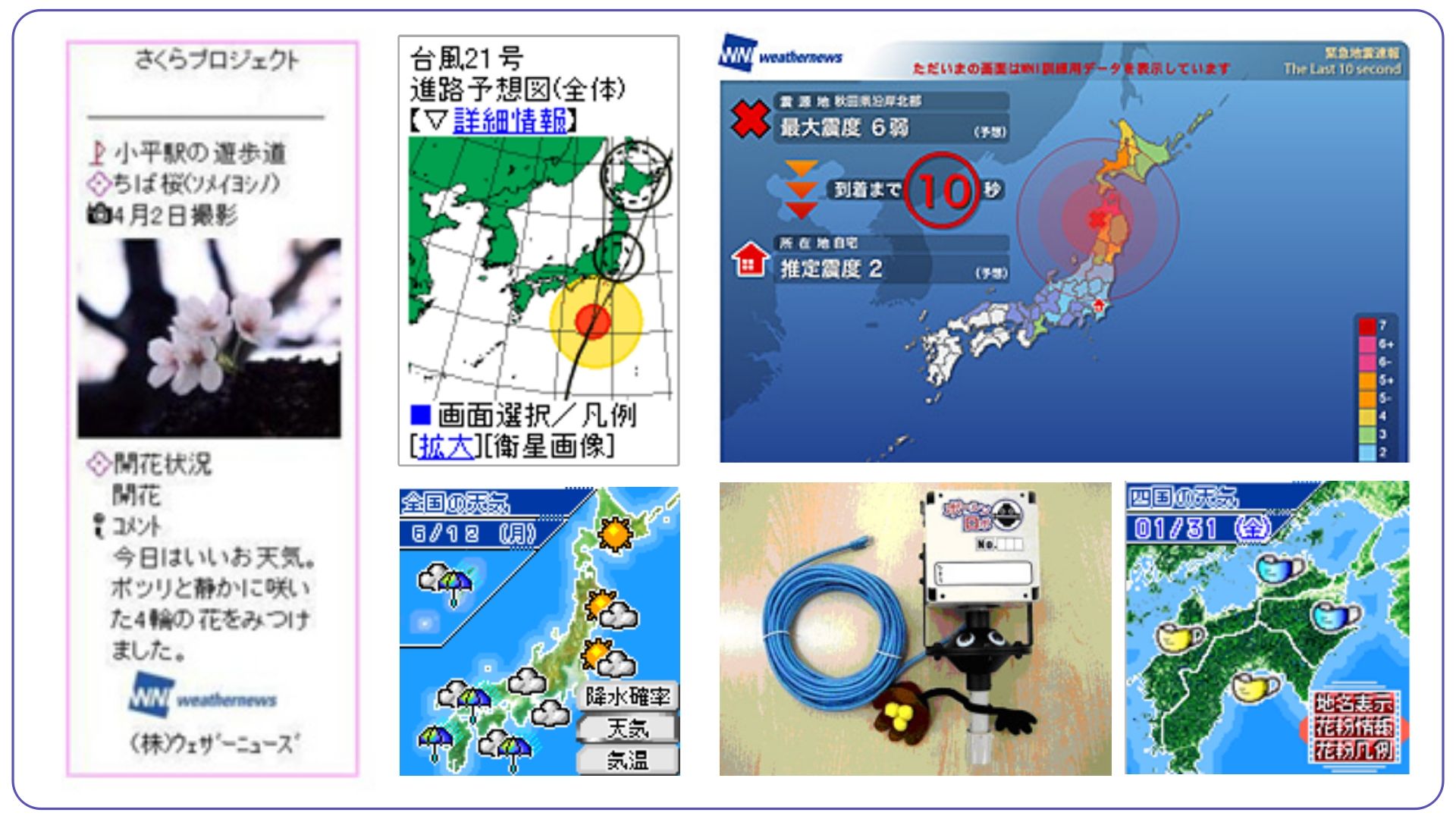
Today, many people associate Weathernews with smartphone apps and YouTube programs. However, the operational framework for consumer services was established around 2000, when mobile phones began connecting to the internet. It was a period of repeated exploration and trial and error, with "content" as the keyword for consumer services.
We hired several producers with experience from domestic and international broadcasters to launch a weather-focused program, but progress proved difficult. In response, we adopted an approach unconstrained by conventional thinking and established WITH Station in 2006 as a subsidiary independent from Weathernews.
There, we explored forms of dialogue with viewers through live broadcasts and communication using weather apps as social networks. As a result, the circle of supporters expanded, and large volumes of data (supporter data) began flowing in from users through the app.
By analyzing this supporter data and developing the "collective intelligence" hypothesis, new weather content began to emerge.
This new weather content attracted more supporters, and the business rapidly gained momentum. Following this success, the subsidiary fulfilled its mission, and from 2012 onward, Weathernews began operating on two pillars: corporate services (BtoB) and consumer services (BtoS: Business to Supporter*).
**BtoS: While consumer services are generally referred to as Business to Consumer (BtoC), Weathernews calls them BtoS (Business to Supporter) because it refers to its app users as “supporters.”
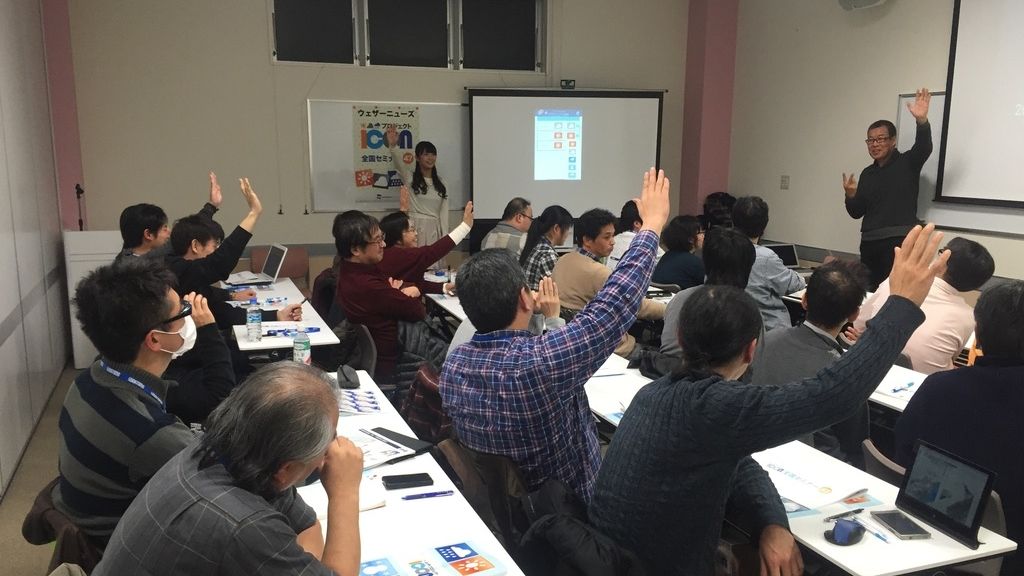
Subsequently, we established proprietary accuracy enhancement technologies that combined supporter data, AI technology, and forecasting models. This clarified our service axes: corporate services (BtoB) selling countermeasure solutions, and consumer services (BtoS) built on overwhelming forecast accuracy. Starting in 2019, the forecasting center shifted to operations with No. 1 forecast accuracy as the KPI, and organizational reforms (DevOps***) progressed.
***DevOps: A culture and set of practices in which development and operations teams collaborate and coordinate, using tools and automation to deliver high-quality software quickly and reliably.
Additionally, migrating from on-premise to cloud-based forecast production allowed us to maintain high performance seamlessly, even during remote work under COVID-19 restrictions in 2020.
Weathernews has continuously evolved by embracing the latest technologies.
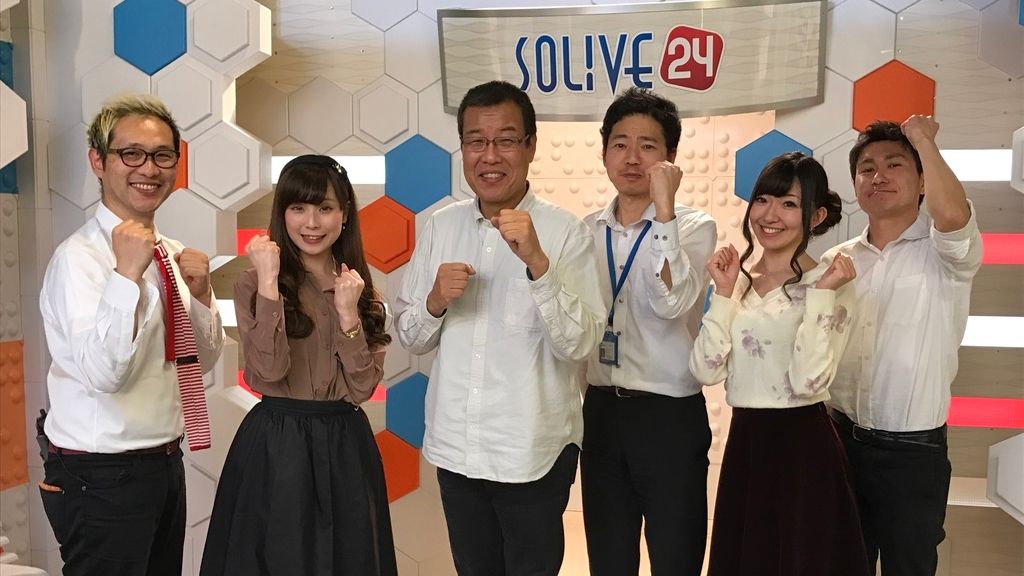
Having fulfilled the goal of No. 1 forecast accuracy and my responsibilities as an executive, and recognizing my declining physical and mental stamina, I submitted my resignation in 2023. It was time to bring closure to my long career at Weathernews.
However, as everyone sent me off with a grand farewell party, a certain "important person" gave me guidance to find and implement what I could still do. These words prompted me to reflect once again on what I could still contribute to Weathernews.
What came to mind first was that wonderful moment when we achieved No. 1 forecast accuracy by leveraging information from our supporters. We challenged the industry's conventional wisdom that actual weather conditions could only be captured through observation instruments, integrating supporter information directly into our forecasting system. This unprecedented approach improved not only forecast accuracy but also the accuracy of real-time weather information.
At the same time, what suddenly came to mind was the "mission" that broadcasting holds.
I will never forget the broadcast during the Great East Japan Earthquake on March 11, 2011. I was watching the program from Niigata on a business trip, and I realized that continuous 24-hour broadcasting is precisely what makes it invaluable in times of emergency.
As someone who has championed community-powered weather forecasting and understood its importance most intimately, I wanted to express my gratitude to the supporters who have made this initiative possible. I took on the role of a commentator for Weathernews LiVE to share the significance of what we've built together.
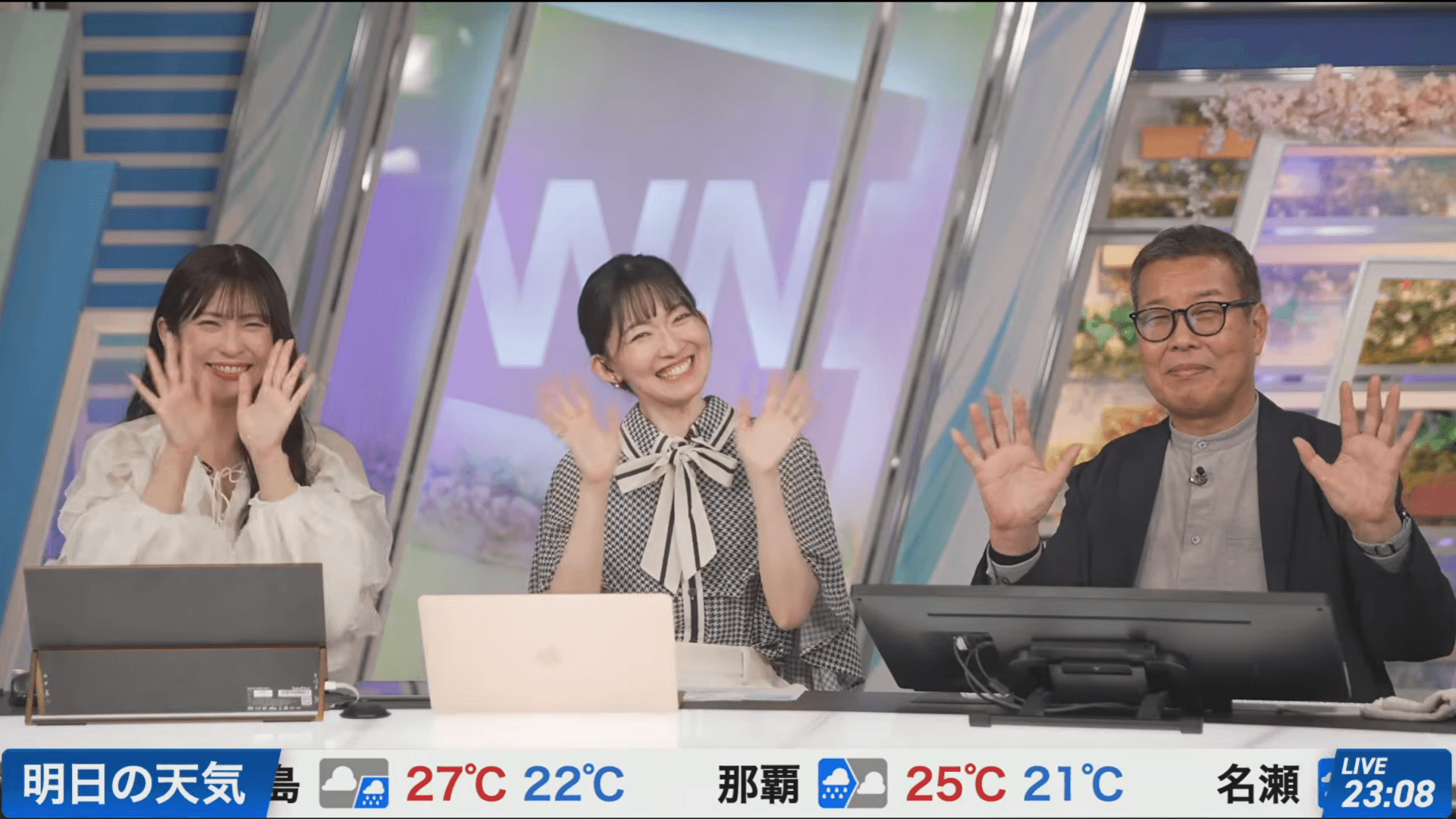
Looking back on my life at Weathernews, I think my impression of Mr. Ishibashi—"Who is this old guy...?"—never really changed Mr. Ishibashi, who continued to speak of dreams, share his vision, and stick to his unique methods, was always far ahead of my own thinking.
To my colleagues:
The current No. 1 forecast accuracy is based on scoring methods established by the Japan Meteorological Agency.
This often differs from supporters' actual perceptions, so I believe it would be better for Weathernews to independently develop a new accuracy evaluation method that more closely reflects supporters' real experiences. I look forward to this.
Also, I believe new developments await that Weathernews should tackle, such as climate change and global expansion. When there are few references or past examples to draw on, please forge ahead following your own convictions.
To our supporters:
Weathernews has always pursued new approaches to meteorology. Championing this new form of weather forecasting that was created together by everyone, has been the greatest fulfillment of my career as a meteorologist.
I am deeply grateful to have worked alongside our supporters to turn this vision into reality.
Thank you very much.
Share
October 16, 2026
Chiba Torrential Rain Disaster: How Weathernews Protected Employees and Maintained Business Continuity
September 15, 2026
Behind the AI System Delivering Forecasters’ Messages to People Around the World in Just Three Lines
![[2026 Kumamoto Earthquake] How Weathernews LiVE Protects Lives Through User Reports and Expert Analysis](https://gvs.weathernews.jp/wni_blog_media/large_20260914_top_3958fce7fc.png)
September 14, 2026
[2026 Kumamoto Earthquake] How Weathernews LiVE Protects Lives Through User Reports and Expert Analysis