
March 13, 2026
How TV Stations Are Transforming Weather Coverage A New Content Solution Helping Broadcasters Navigate Weather and Disaster Reporting



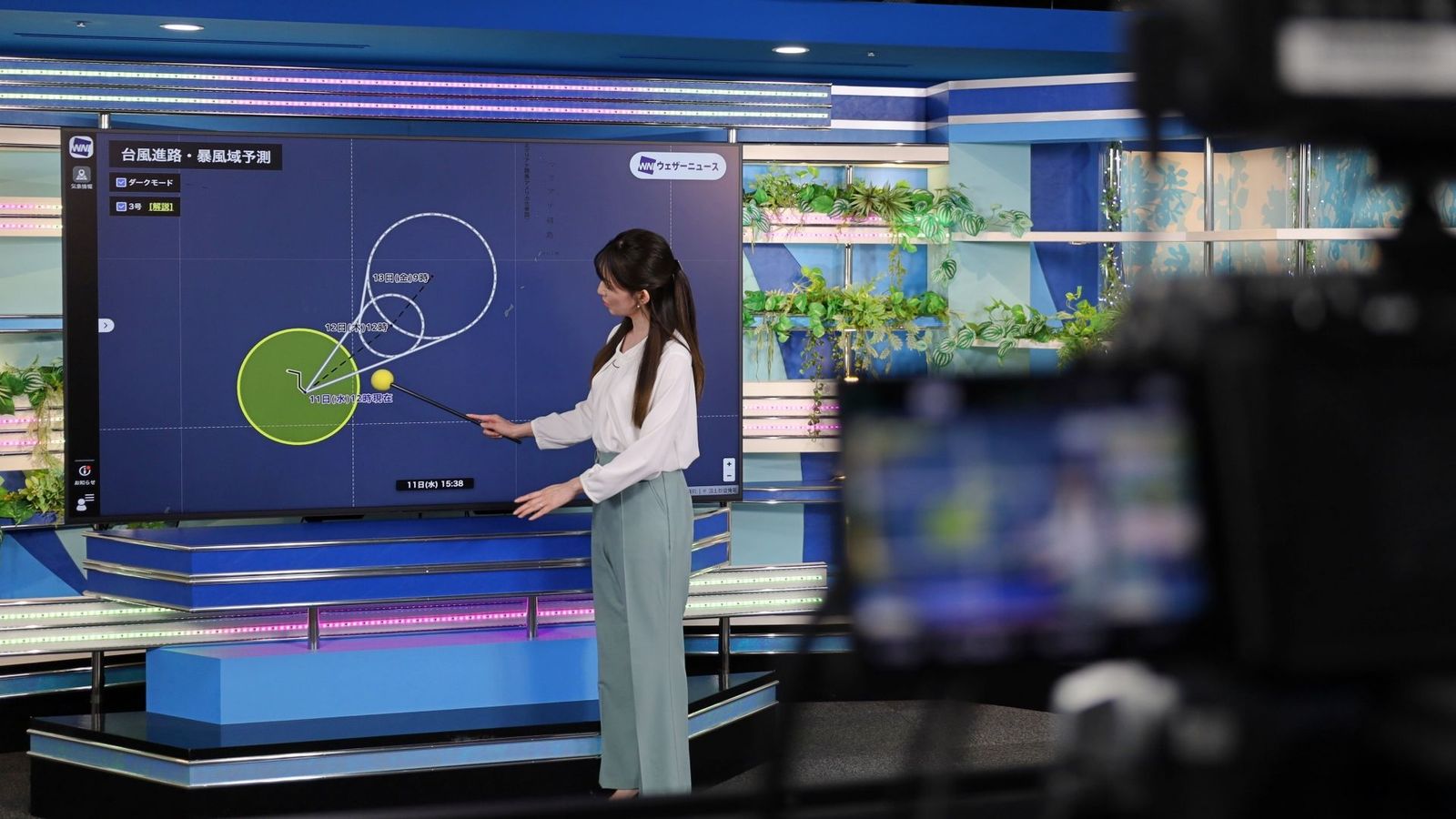
"Reports are coming in of flooding in XX City!"
"Should we dispatch our crew?"
"Quick—check social media for photos or videos from the area!"
Sound familiar? With increasingly severe weather events—from sudden cloudbursts and training rainbands to back-to-back typhoons—newsrooms face mounting pressure. The challenge isn't just keeping pace with rapidly evolving situations; it's securing usable footage in time to air.
Even when reporters spot compelling video on social media, the work has only just begun. They must reach out to the original poster, wait for a response, negotiate usage rights, and verify the source's credibility. Meanwhile, conditions on the ground continue to shift. By the time permissions are finally secured, the story may have already moved on—and the critical moment has been missed.
What journalists really need is the ability to show viewers what's happening right now, even in areas where their teams can't physically be—and to do so with clear, accessible visuals that tell the story at a glance.
This is exactly the gap that more and more television stations are turning to a particular service to fill.
In this article, we'll look at what drove the development of Weathernews' broadcast content service, and why stations across Japan are increasingly making it part of their newsroom toolkit.
Over 1,000 Inquiries a Year
The Growing Importance of Weather and Disaster Information in News
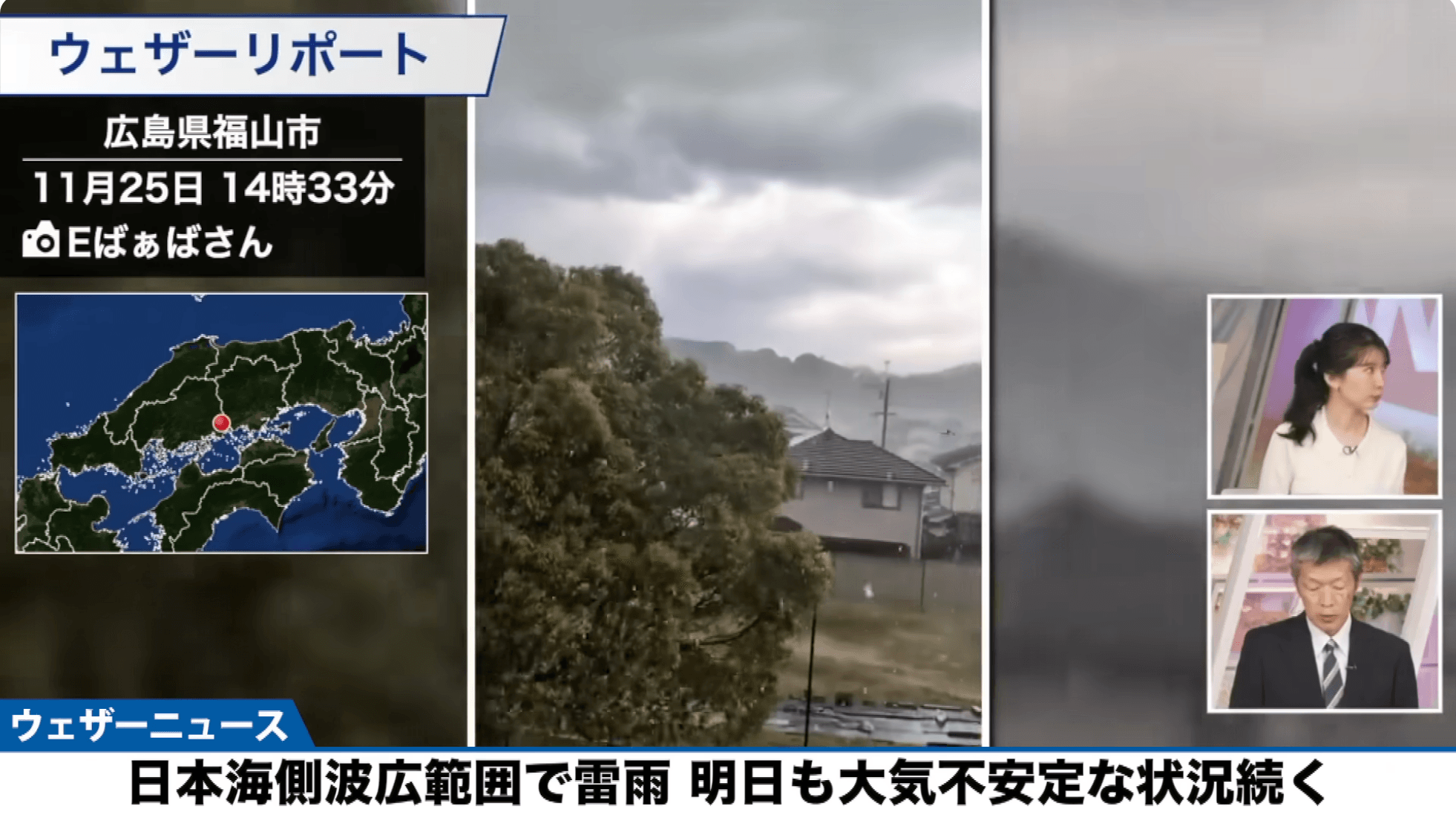
If you've been watching the news lately, you've probably noticed something: weather takes up a lot more airtime than it used to.
It wasn't always this way. Weather coverage once served primarily as lifestyle information—helpful for planning your day, but rarely urgent. Today, with extreme weather events growing in both frequency and severity, weather and disaster reporting has evolved into something far more critical: potentially life-saving information.
We see this shift reflected in our own operations.
Every time a major weather event strikes—whether it's a typhoon, heavy snowfall, or severe storms—we're inundated with requests from TV stations nationwide.
The inquiries vary: • "Can we use this footage of the hailstorm?" • "We'd like to feature Weathernews' typhoon tracking data." • "Is your transportation impact forecast available for broadcast?"
We now receive over 1,000 such inquiries from broadcasters each year, and that number keeps climbing.
What these requests tell us is that newsrooms have fundamentally changed their approach. Weather is no longer confined to dedicated forecast segments. Instead, stations are working to report rapidly evolving conditions in real time and help viewers understand how weather will impact their daily lives—from their commute to their safety.
Listening to these 1,000+ voices from the field, we recognized a clear need: newsrooms needed a way to access the latest information directly, without delays or barriers.
That realization led us to develop Weathernews for Business—a service built specifically with broadcasters in mind.
How Weathernews Solves Real Newsroom Challenges
The core advantage of this service is simple: instant access to Weathernews' latest proprietary data, whenever newsrooms need it.
Long-standing pain points—from limited footage availability to cumbersome licensing workflows—are addressed through a single, streamlined platform.
Weather Information That Speaks to Viewers' Real Concerns The service features a suite of specialized forecasts developed by Weathernews, including: • Power Outage Risk Forecast • Torrential Rain Forecast • Road Surface Freezing Forecast
Power Outage Risk Forecast: By analyzing extensive historical weather data alongside past outage records, this tool identifies and visualizes areas most vulnerable to power loss during severe weather.
Torrential Rain Forecast: Shows the likelihood of sudden, intense downpours up to 36 hours in advance, displayed on a map with three risk levels that update every hour.
Road Surface Freezing Forecast: Provides critical visibility into winter driving conditions using 1-kilometer mesh resolution. The forecast extends 72 hours ahead with hourly updates, categorizing road surfaces into four conditions: • Ice-covered • Uneven frozen patches • Slush • Snow accumulation
Looking ahead, we're also exploring the addition of transportation impact forecasts—predicting potential train delays or highway closures before they happen.
When stations integrate these forecasts into their news coverage, they can do more than report the weather—they can help viewers take action. Whether it's preparing for a dangerous commute, adjusting school drop-off plans, or securing their homes before a storm, this information empowers people to make informed decisions that could protect their safety and daily routines.
From Forecast Precision to Public Service
Weather Reports and Sorakame
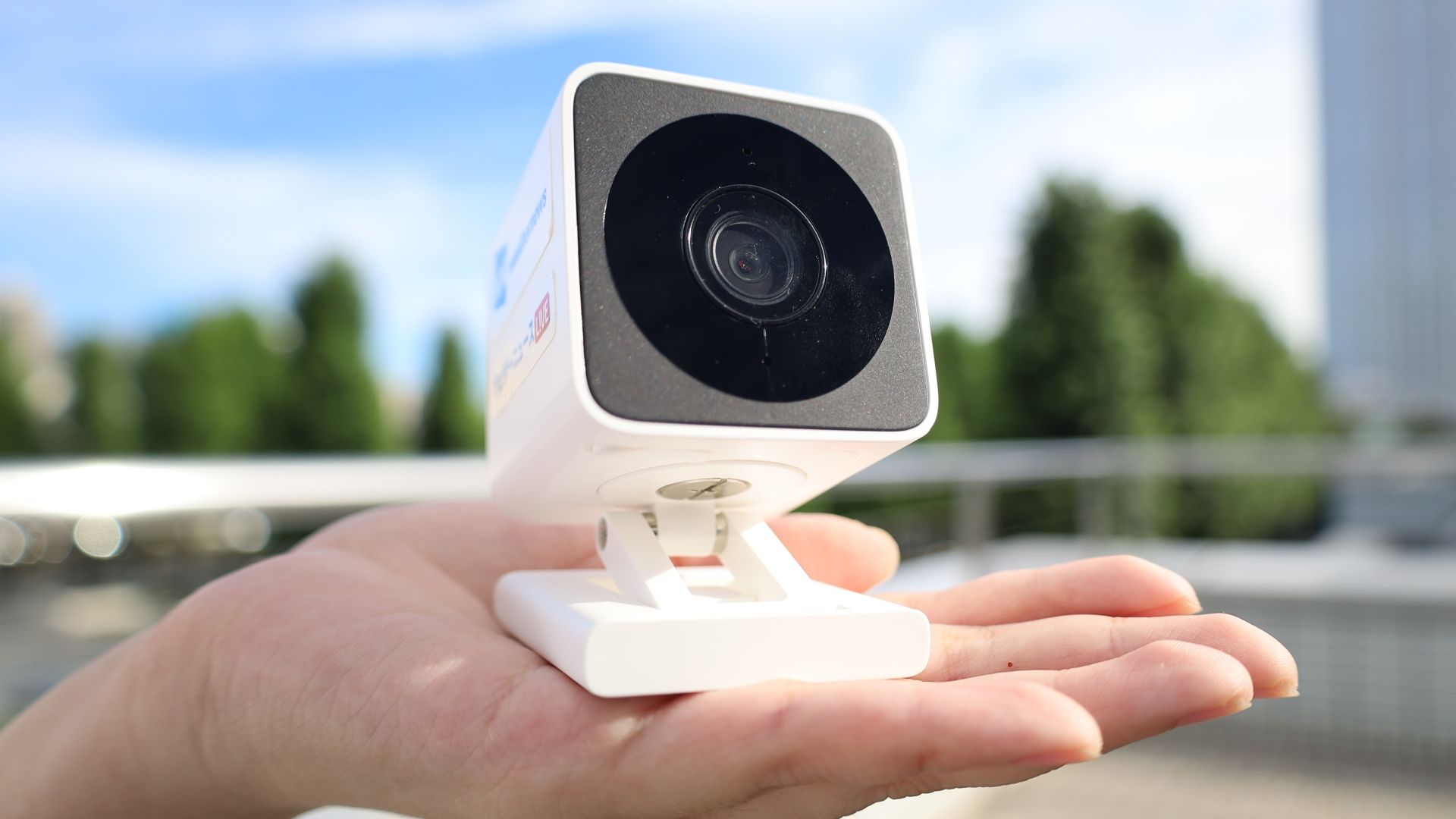
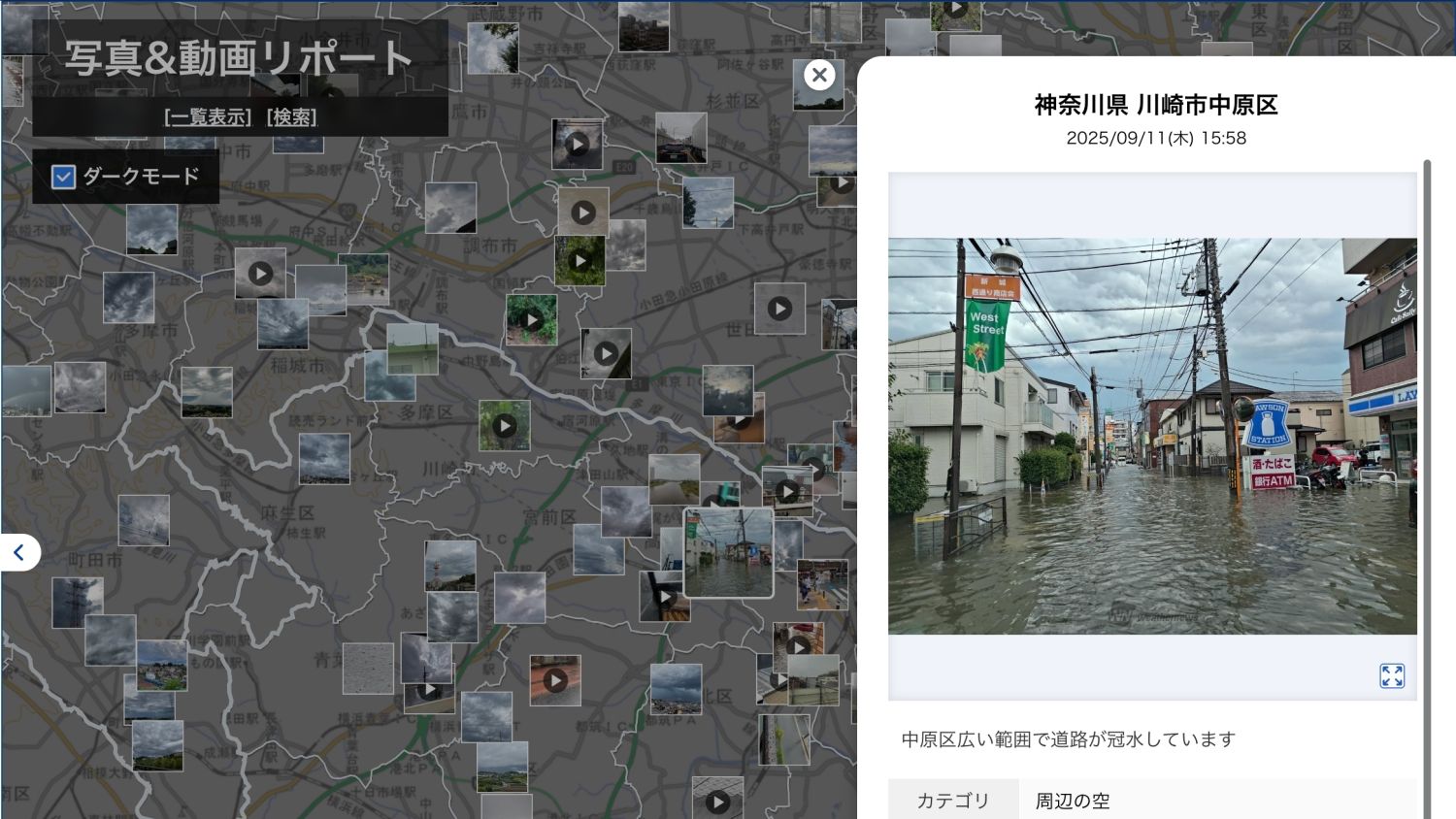
Two features have emerged as particularly valuable to newsrooms: • Weather Report: photos and videos submitted by app users • Sorakame: live camera feeds installed with support from app users
These weren't originally designed with broadcasters in mind. We launched them to sharpen our own forecast accuracy and to provide real-time ground-truth conditions for Weathernews LiVE, our 24-hour weather program.
They've proven especially effective for tracking weather phenomena that slip through the gaps of traditional observation networks: • Fast-developing localized storms • Rain-snow transition zones that instruments can't pinpoint • Snow conditions across diverse terrain
What began as a forecasting tool has evolved into something bigger. Over time, we've witnessed these images and videos become invaluable social infrastructure—helping communities quickly grasp the full scope of unfolding disasters and enabling people to take protective action when it matters most.
Weather Report: Every day, Weathernews receives between 30,000 and 40,000 user-submitted reports from across the country.
These images are invaluable for capturing sudden weather phenomena that can develop and dissipate within minutes: • Localized downpours • Hail • Sleet
Beyond weather tracking, they also function as real-time damage assessments during disaster events—providing eyes on the ground when conditions are rapidly changing.
Sorakame: A distributed network of compact web cameras positioned at more than 2,700 locations nationwide, installed through partnerships with Weathernews app users.
These cameras fill critical gaps in coverage—monitoring areas where traditional weather camera infrastructure isn't feasible or where news crews face logistical challenges in reaching quickly. The live feeds can be aired directly, giving viewers an unfiltered view of conditions as they unfold on the ground.
“ソラカメ“(Sorakame)is a trademark or registered trademark of SORACOM, INC.
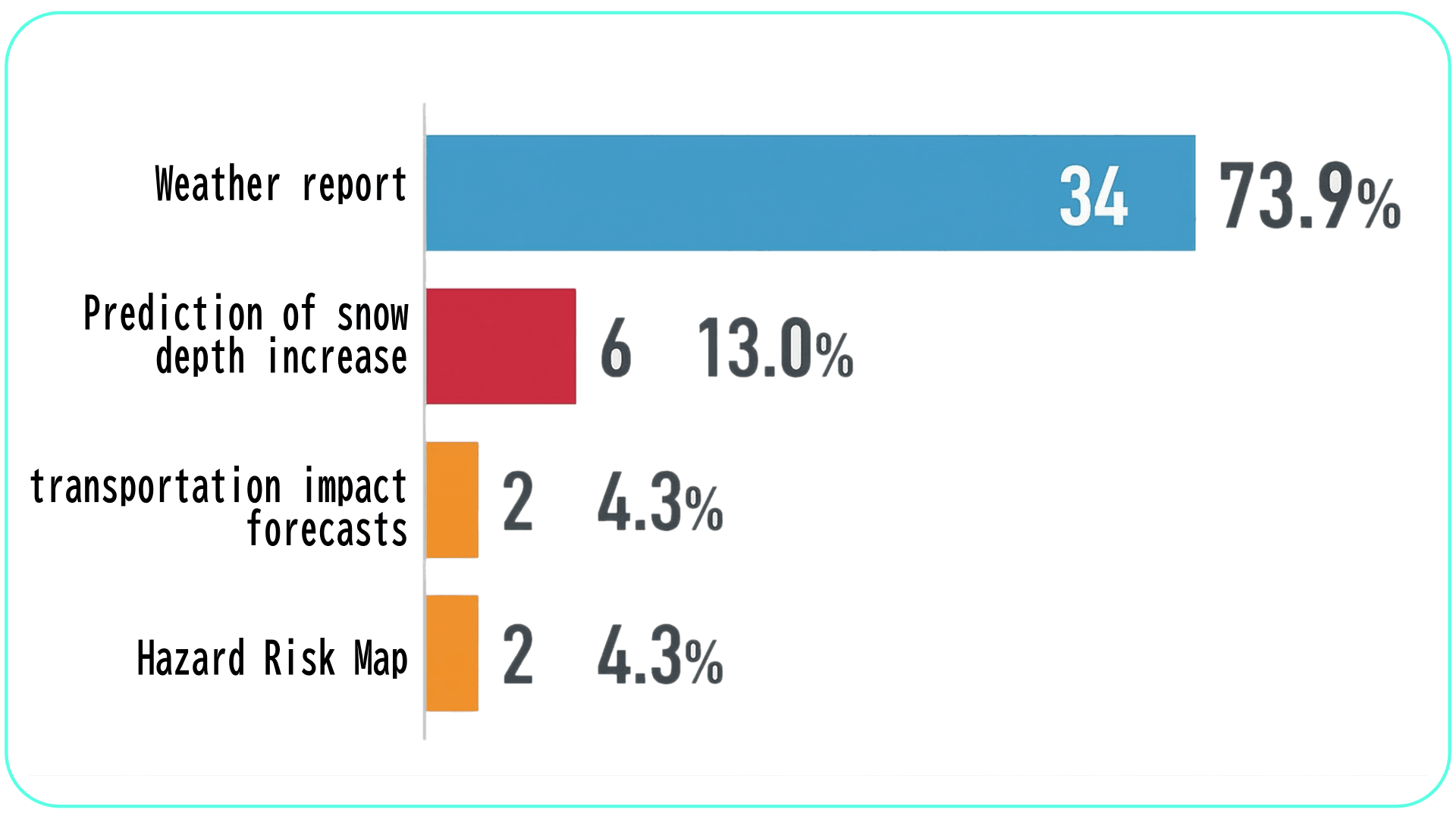
The chart below shows how frequently different types of content from "Weathernews for Business" were featured in one television program. As the data reveals, Weather Reports were used far more than any other content type.
What started as crowdsourced weather observations has earned recognition from professional journalists as a reliable, broadcast-quality resource. Today, these assets have become an essential part of the newsroom toolkit.
Ending the Search for Footage and Permission Requests
Why TV Stations Are Quickly Adopting the Service
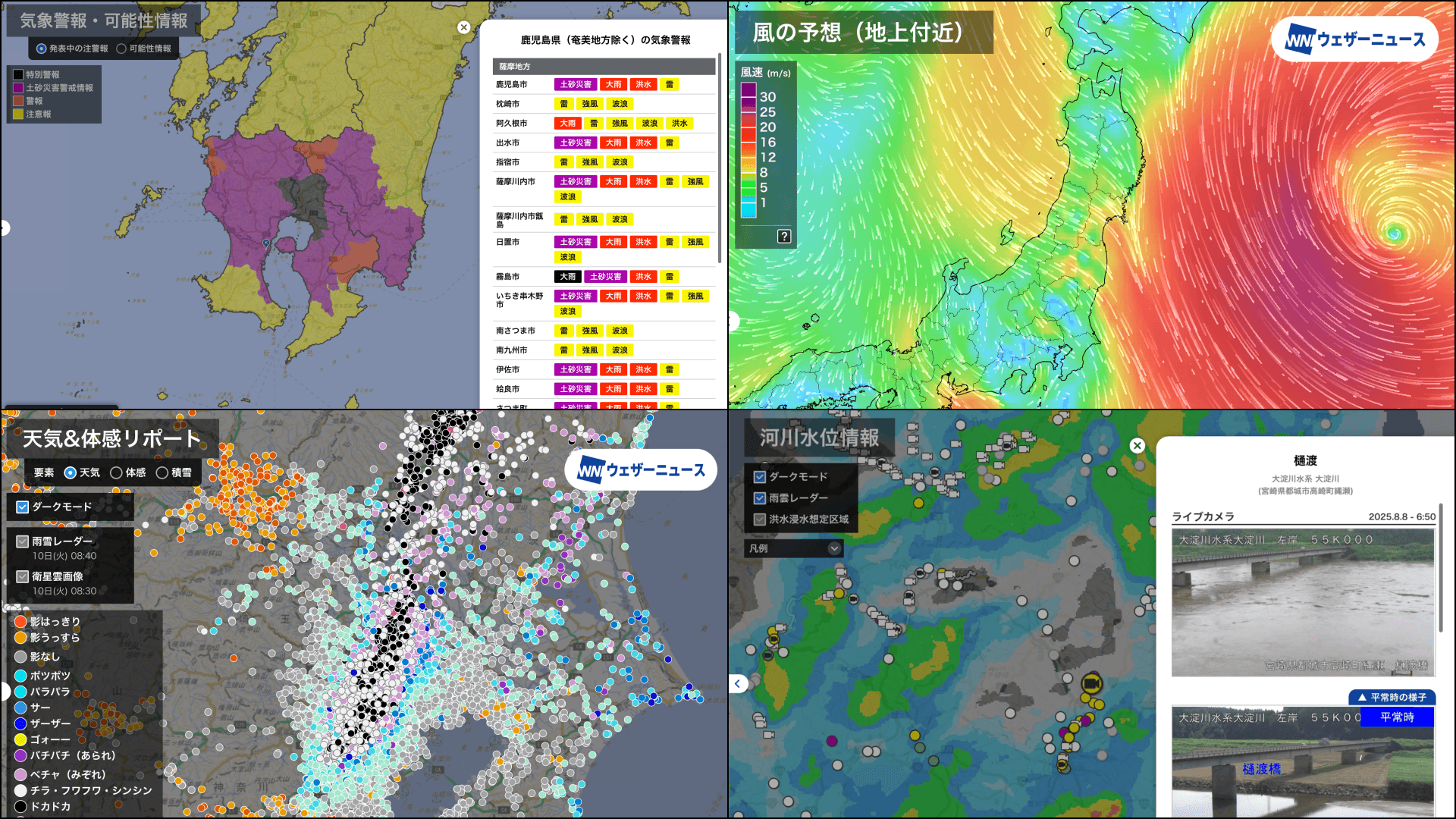
Since launching our broadcaster-focused service, we've seen strong interest from stations across the country—and several have already integrated it into their daily operations.
What's driving this rapid adoption? Two factors stand out: access to information no one else can provide, combined with content that's ready to air immediately.
Under typical circumstances, when newsrooms find compelling disaster footage on social media, securing permission from the original poster can take anywhere from 30 minutes to several hours—time they often don't have.
With this service, content from Weather Reports and Sorakame is pre-cleared for broadcast. No negotiations. No waiting. No last-minute scrambles.
There's another critical advantage: trust. Unlike anonymous social media posts, this content is managed and verified by Weathernews, a professional meteorological organization. For news organizations where accuracy is non-negotiable, that credibility matters.
The platform was designed with input from broadcast professionals, and it shows.
Because it's web-based, producers can: • Zoom and pan maps on the fly • Customize framing to match their broadcast format • Display content directly on studio monitors for live use
And unlike legacy on-premise systems, this cloud-based approach makes it easy to roll out updates—whether that's enhanced severe weather alerts or new disaster information tools—without costly infrastructure changes.

A Perspective from the Newsroom
We spoke with Mr. Harada from Weathernews' Broadcast Team, who works directly with newsroom teams and has production experience himself.
"Having worked in news production myself, I can't overstate how valuable it is to have access to high-quality footage from across the country at a moment's notice.
When covering heavy rain, flash floods, road closures, typhoons, hail, or blizzards, having near real-time footage at your fingertips is transformative. It's one of the biggest reasons stations are choosing Weathernews.
But it's not just about news segments. This content works for weather programs, short interstitials before commercial breaks—it really expands what you can do on air.
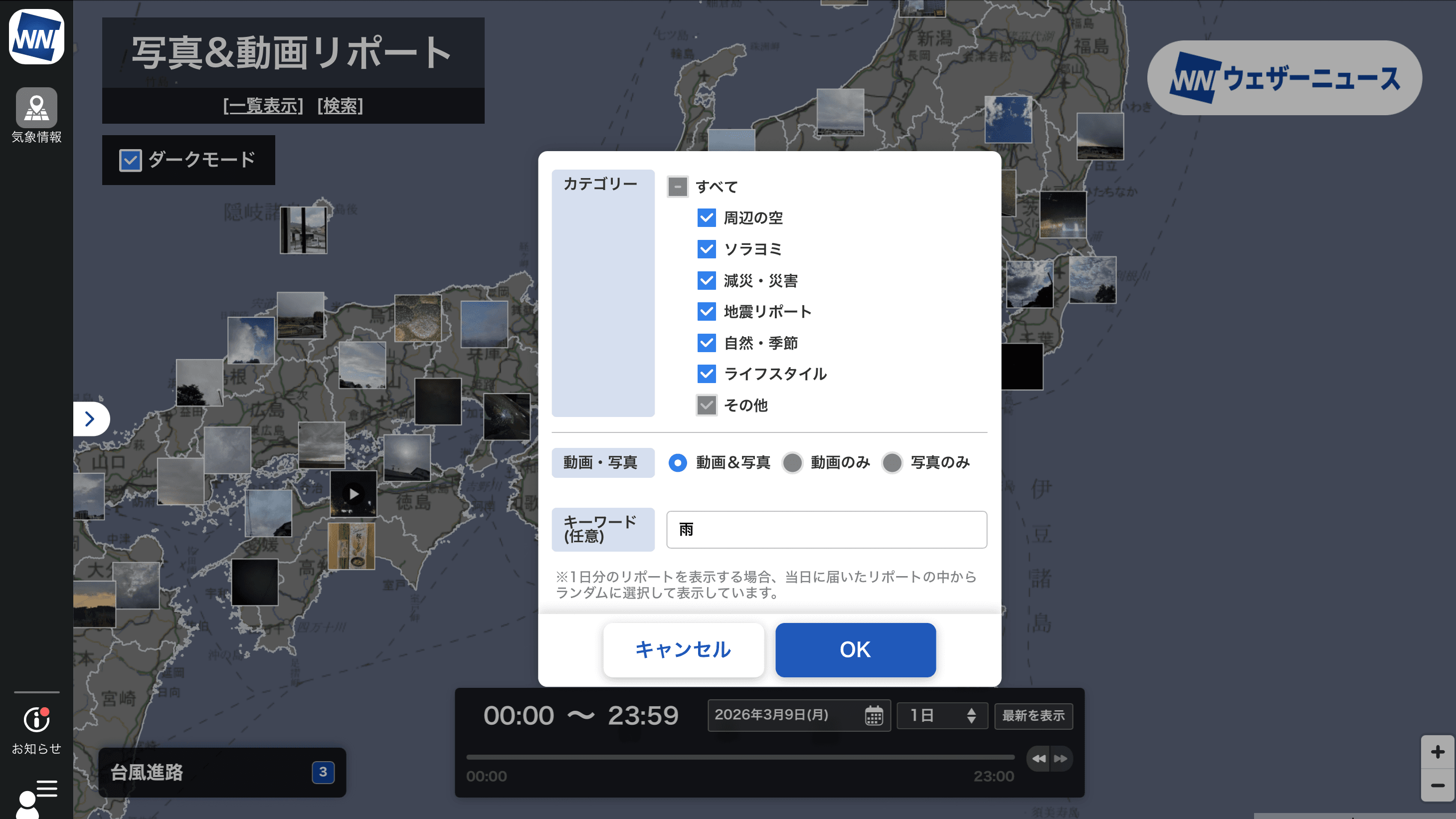
The search functionality is also a game-changer. You can filter by location, time, category, or keyword directly from the map interface. When you're working against tight deadlines before a broadcast, being able to pull exactly what you need in seconds makes all the difference.
I've also noticed that weather explanations have gotten richer. When presenters interact with Weathernews' proprietary forecasts—like snowfall accumulation or road freezing conditions—on large studio displays, it adds both credibility and depth to the storytelling."
Summary
Why Newsrooms Are Choosing Weathernews for Business
1.Unmatched speed through pre-cleared copyright No waiting for social media approvals—content is ready to broadcast immediately.
2.Live coverage where crews can't be 30,000–40,000 daily user reports plus 2,700 Sorakame cameras provide nationwide real-time visibility.
3.Forecasts that help viewers take action Proprietary tools like power outage risk forecasts, torrential rain predictions, and road freezing conditions communicate practical impacts on daily life.
Weathernews remains committed to supporting newsrooms as they navigate increasingly severe weather events—helping deliver timely, accurate information that keeps communities informed, prepared, and safe.
Share
![[Developer Interview] Building the World’s Most Accurate Wave Forecasting Model](https://gvs.weathernews.jp/wni_blog_media/large_20260331_TOP_177db7c4c9.JPG)
April 1, 2026
[Developer Interview] Building the World’s Most Accurate Wave Forecasting Model

April 1, 2026
Enhancing Safety for Vessels and Coastal Operations with a Weather IoT Sensor You Can Deploy Anywhere: Enabling Hyper-Local AI Forecasting in Ports
March 27, 2026
Ogasawara Islands to Achieve Japan's Highest Weather Observation Density Through Digital Innovation