
December 9, 2025
[20 Years of Weather Reports] The Journey and Future of a One-of-a-Kind Global Community



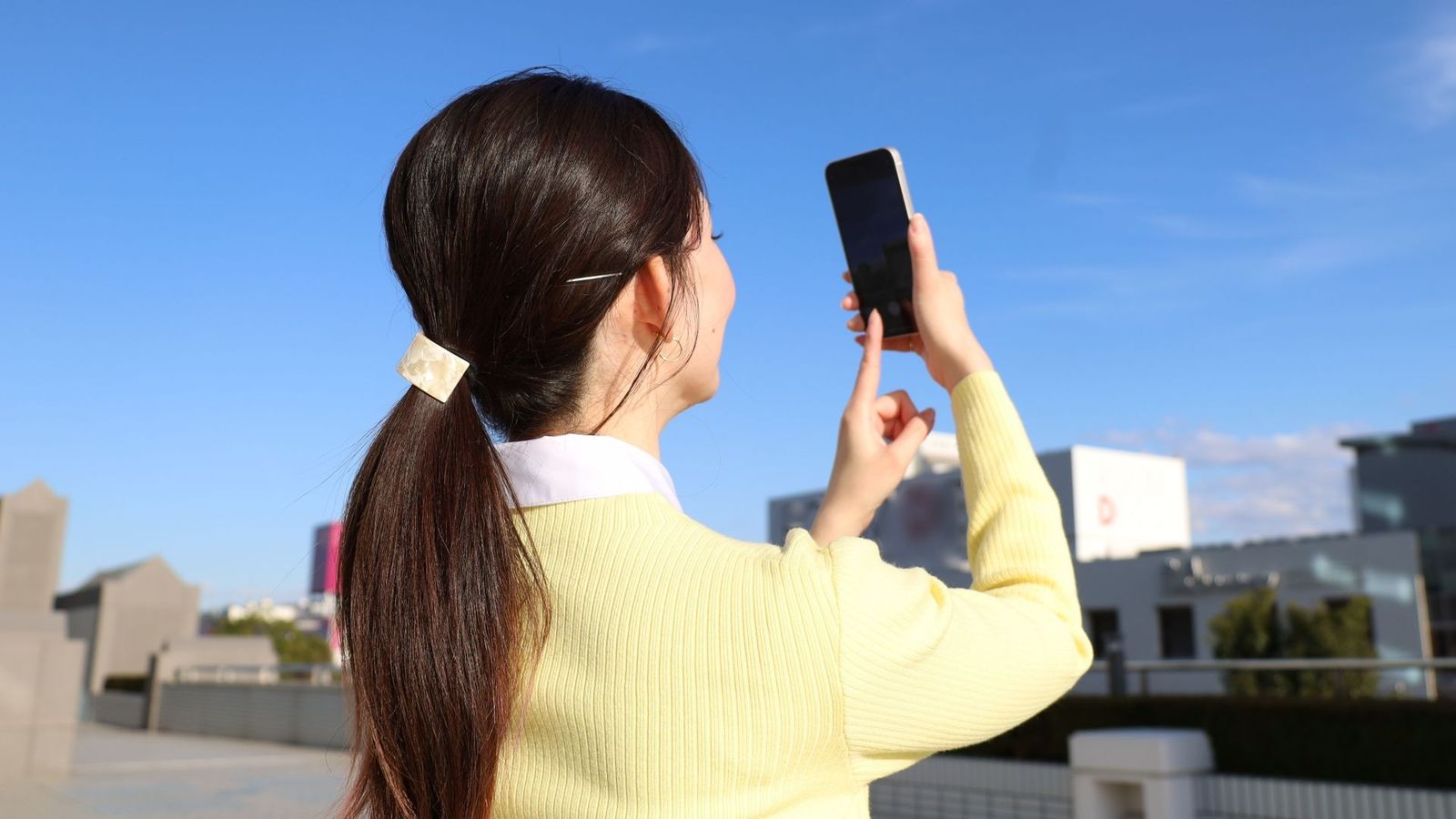
This year marks a significant milestone: Weather Reports, the initiative we've built alongside our supporters, celebrates its 20th anniversary.
At Weathernews1, we affectionately call our users "supporters." For two decades, supporters across Japan have looked up at the sky each day and shared invaluable weather observations. To everyone who has contributed and stood by us over the years, we extend our deepest gratitude.
Since November 1, 2005—the day the very first Weather Report was submitted—we've worked hand in hand with our supporters to cultivate a truly unique, collaborative approach to "crowdsourced weather forecasting" that exists nowhere else in the world.
In this blog, we'll reflect on the 20-year journey of Weather Reports, share our vision for the future, and introduce the exciting new challenges we're taking on.
The Beginning with Cherry Blossoms: Discovering the Power of Participatory Information
The origins of Weather Reports lie in cherry blossoms.
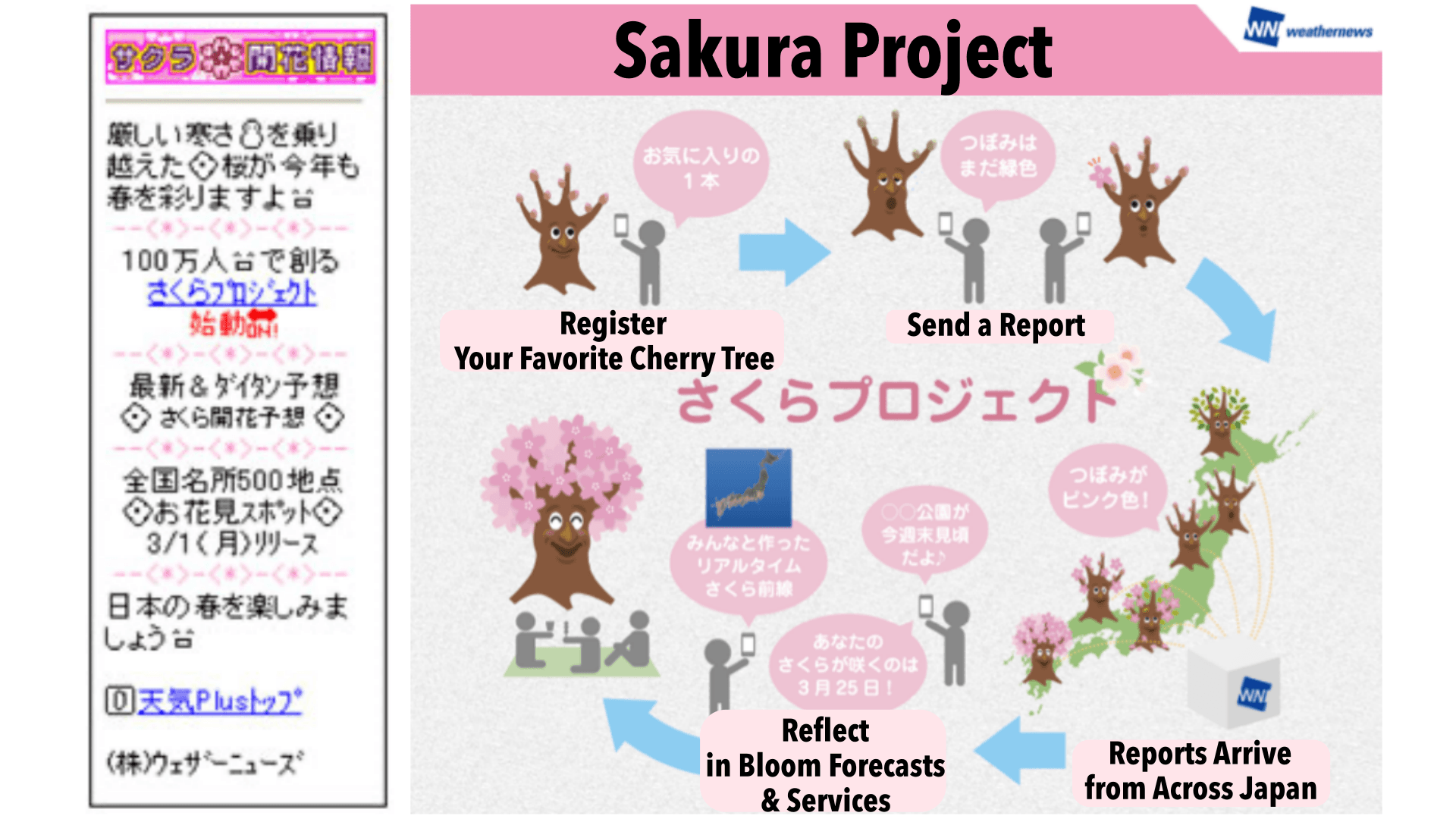
Each spring, Weathernews releases nationwide cherry blossom forecasts. Around that time, we began receiving emails from supporters saying, "The blossoms in my neighborhood look like this right now." Inspired by these messages, we launched the "Sakura Project" in March 2004, inviting people across Japan to submit their observations of cherry blossom blooming.
When we plotted these reports on a map, a far more detailed and precise "cherry blossom front" emerged—something traditional meteorological observations alone couldn't fully capture.
In summer 2004, we began collecting Typhoon Reports, which provided real-time insights into on-the-ground conditions and damage. Then in spring 2005, we launched the Pollen Project, distributing observation devices to individuals with hay fever to collect both pollen data and symptom reports, helping us improve pollen dispersion forecasts.
Through these experiences—starting with cherry blossoms and expanding through typhoon and pollen observations—we became convinced of the potential of collaborative data:
“By pooling our observations together, we can generate more accurate and detailed forecasts.”
On November 1, 2005, we officially launched Weather Reports. A total of 244 reports were submitted on the very first day—marking the beginning of a shared journey of co-creation.
The Day Weather Forecasting Changed
When Weather Reports launched, flip phones were still the norm, and even sending a photo came with a cost. Initially, the feature was available only to paid Weathernews subscribers to ensure data quality and reliability.
Looking back from today—when photos and videos can be shared on social media instantly and for free—it may seem hard to imagine people paying to submit weather information. Yet our supporter base grew steadily, with many saying, "If my report can help someone, I want to contribute."
This inspired us to ask: ・“Can we use real-time reports from across Japan to improve our forecasts?” ・“In an era of hourly or 3-hourly forecasts, can we deliver the hyper-local information our supporters are asking for?”
The answer led to the launch of our 10-Minute Weather Forecast in June 2008.
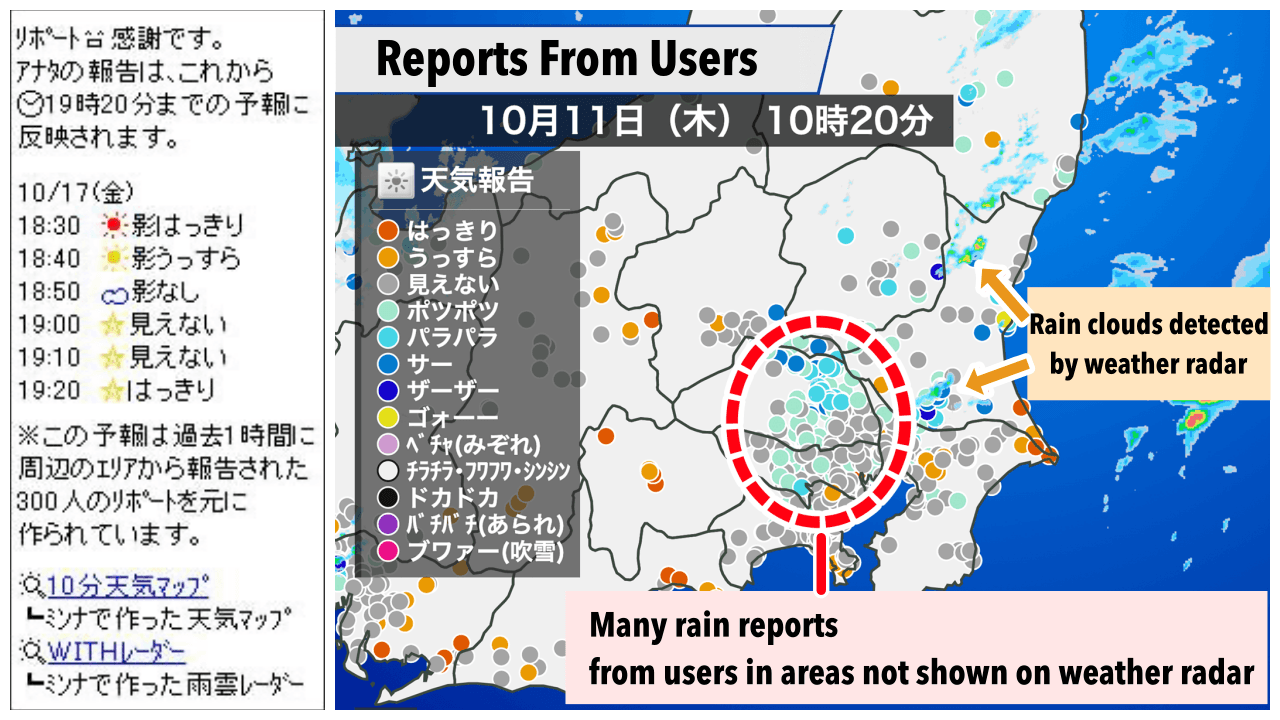
The service provides forecasts at 10-minute intervals for the next hour based on the user's location. Its key innovation is that it directly incorporates real-time Weather Reports. Radar can sometimes miss light precipitation or show echoes where no rain is actually falling—situations that only on-the-ground reports can verify. By integrating supporter observations, forecasts could adjust more quickly and accurately to real conditions.
It was the moment a new type of weather forecasting—powered by our supporters—came to life.
Taking on the “Unpredictable”
Weather Reports have enabled us to challenge phenomena once considered “unpredictable.”
In July 2008, a tragic water accident occurred due to a sudden torrential rain. These intense localized thunderstorms develop quickly and were once said to be impossible to predict.
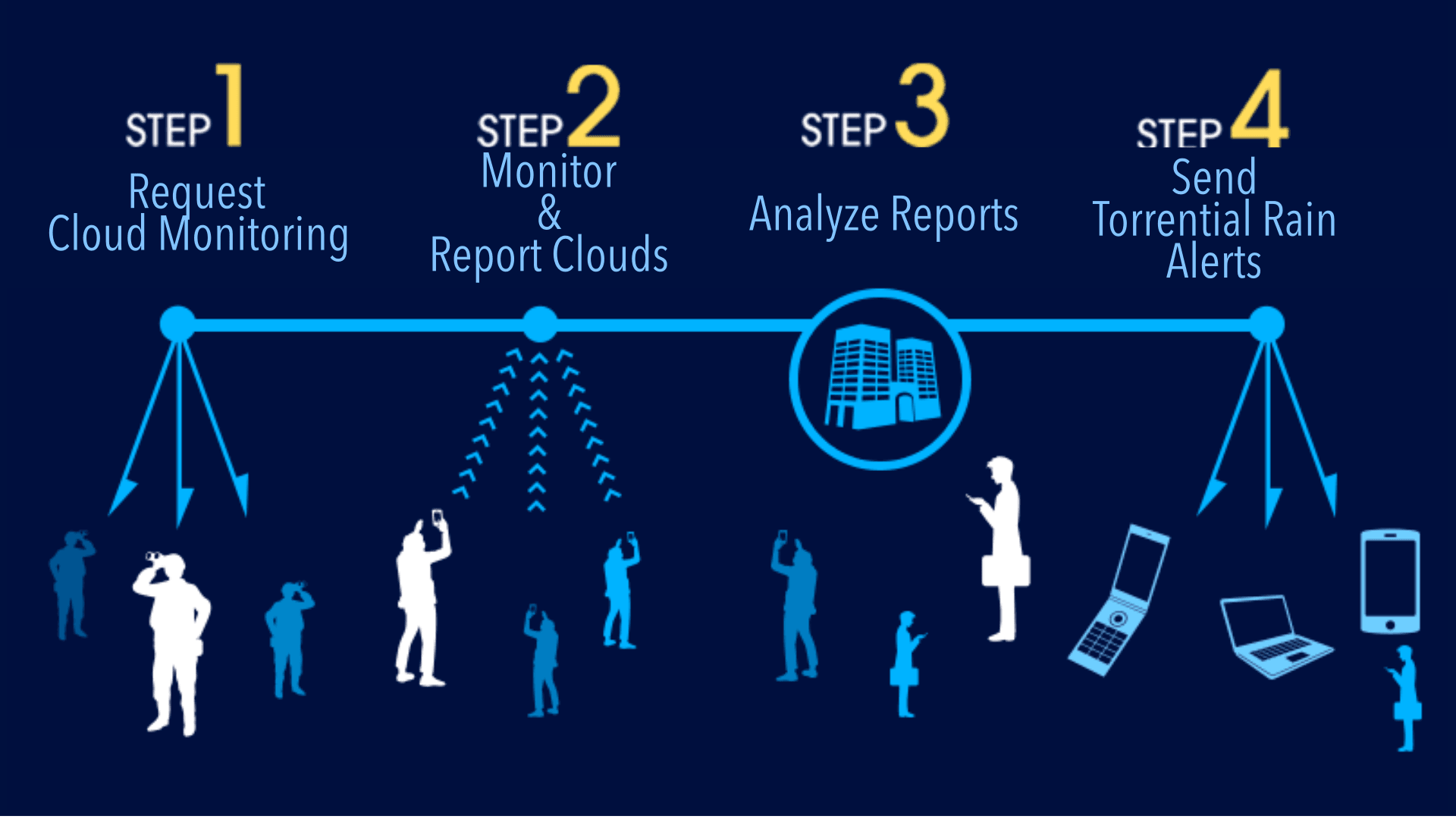
Driven by the mission “to prevent further tragedies,” we launched the Torrential Rain Alert Team on July 30, 2008. Supporters (as “team members”) submitted photos of warning clouds, which Weathernews analyzed alongside meteorological data to issue advance alerts to high-risk areas.
Initially, we could only issue alerts about 10 minutes before an event. Today, we can send notifications up to an hour in advance. Each season, we receive 300,000–400,000 cloud reports, forming the foundation of this breakthrough—forecasting what was once thought unforecastable.
When Unprecedented Disaster Struck—Weather Reports on March 11th
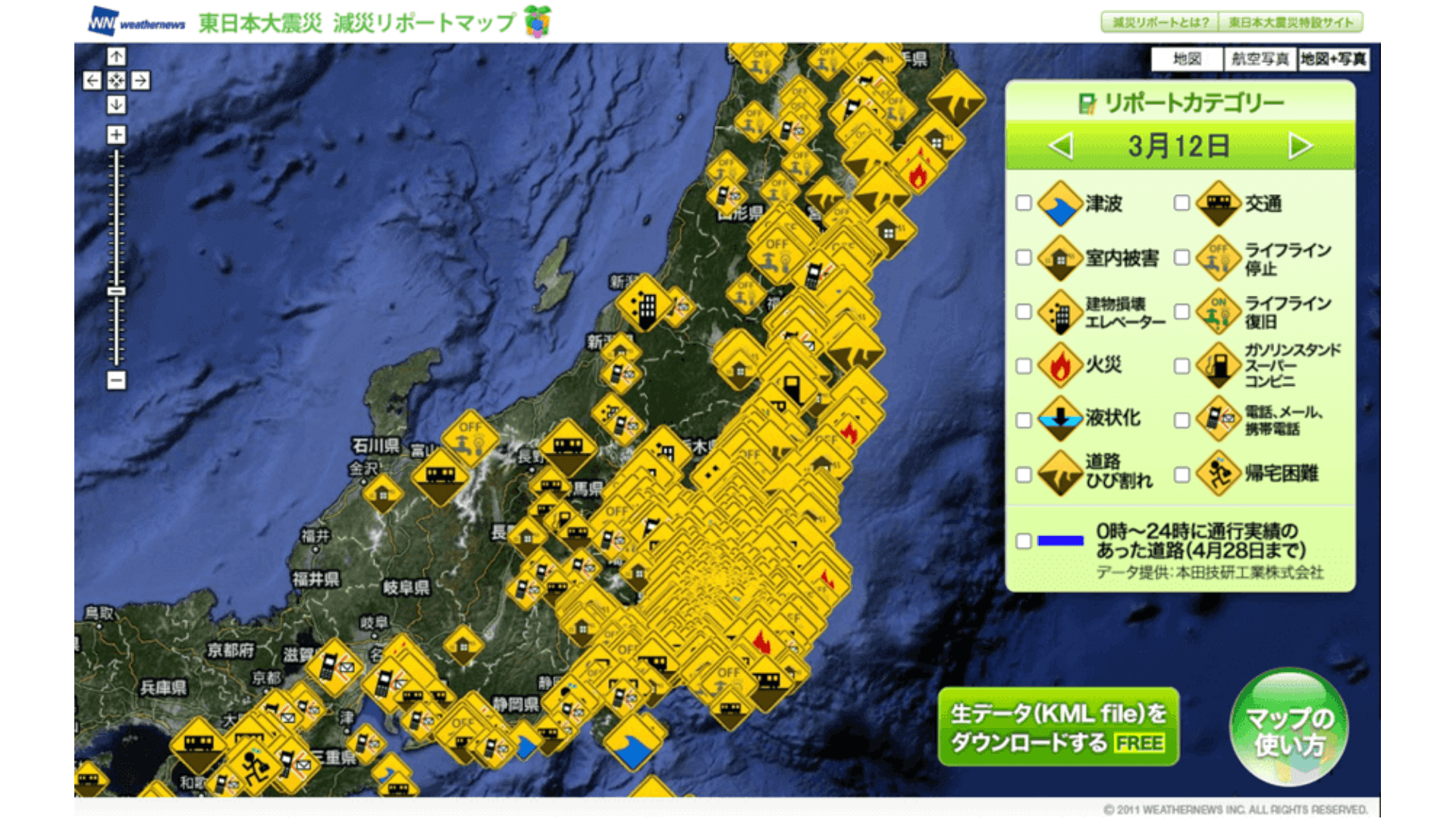
A major turning point came with the Great East Japan Earthquake on March 11, 2011.
In the midst of the crisis, we temporarily made Weather Reports free to quickly assess conditions on the ground. Within just two days, approximately 40,000 reports poured in from affected areas.
These real-time maps showing changing local conditions were utilized by government agencies and research institutions nationwide. This experience reinforced a fundamental truth:
When many people share information, it creates new value that benefits society as a whole.
This led us to a pivotal decision: in July 2012, we fully transitioned Weather Reports from a paid to a free service—opening our community to everyone.
A New Era: From Reporting Weather to Participating in Forecasting—And Becoming Japan's Most Accurate
By 2015, a decade after launch, Weather Reports had evolved from "reporting current weather" to a new phase: "participating in the forecasting process itself."
In November 2015, we launched Project icon, inviting our most engaged supporters to review and propose corrections to the weather icons (forecast symbols) for their local areas. When supporters noticed discrepancies in the six-hour forecast, they could submit corrections—which our forecast center would review and incorporate.
To support this initiative, we held nationwide seminars and online “Sky Web Seminars” to deepen supporters’ meteorological literacy.
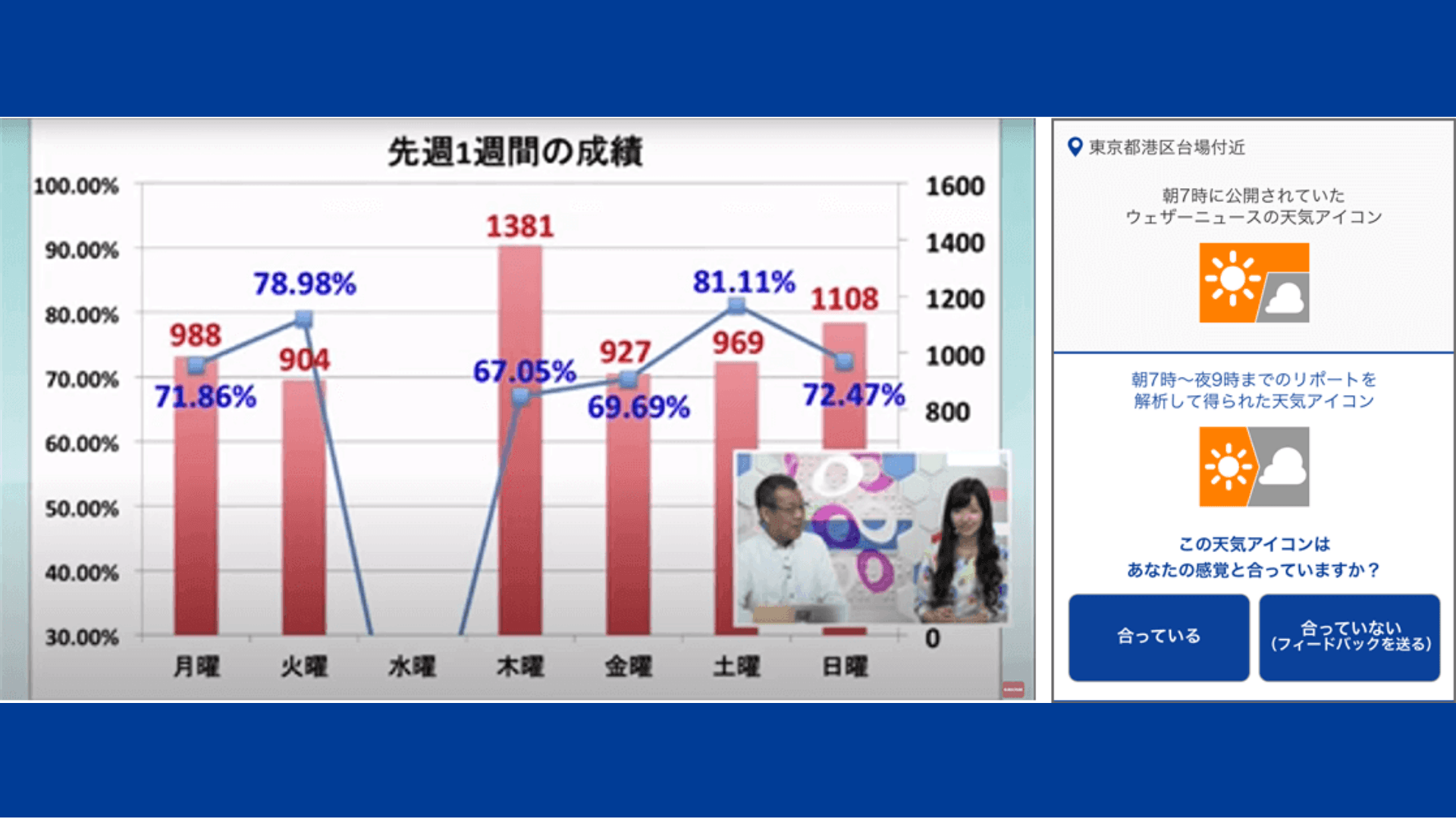
Together with our supporters, we continued pursuing the most accurate weather forecasts possible. In 2022, an independent evaluation by Tokyo Shoko Research confirmed what we'd been working toward: Weathernews had achieved the No. 1 forecast accuracy ranking in Japan. We have maintained this No. 1 position for three consecutive years (2022–2024).
Supporters send daily feedback on forecast accuracy—supporting continual improvement.
Co-Creation Becoming Social Infrastructure
The impact of Weather Reports now extends far beyond improving forecast accuracy.
By analyzing the vast volume of reports submitted, we've developed a range of original forecasting indices that support everyday life and society:
Weather-related Pain forecast (2020) ・Developed in collaboration with medical experts to predict pain risks across four severity levels.
Perceived Temperature Forecast (2020) ・Based on 15 million reports collected over nine years, forecasting "how the weather actually feels" across 10 levels.
Road Icing forecast (2020) ・Predicting icing risk across four categories based on supporter reports and meteorological conditions.
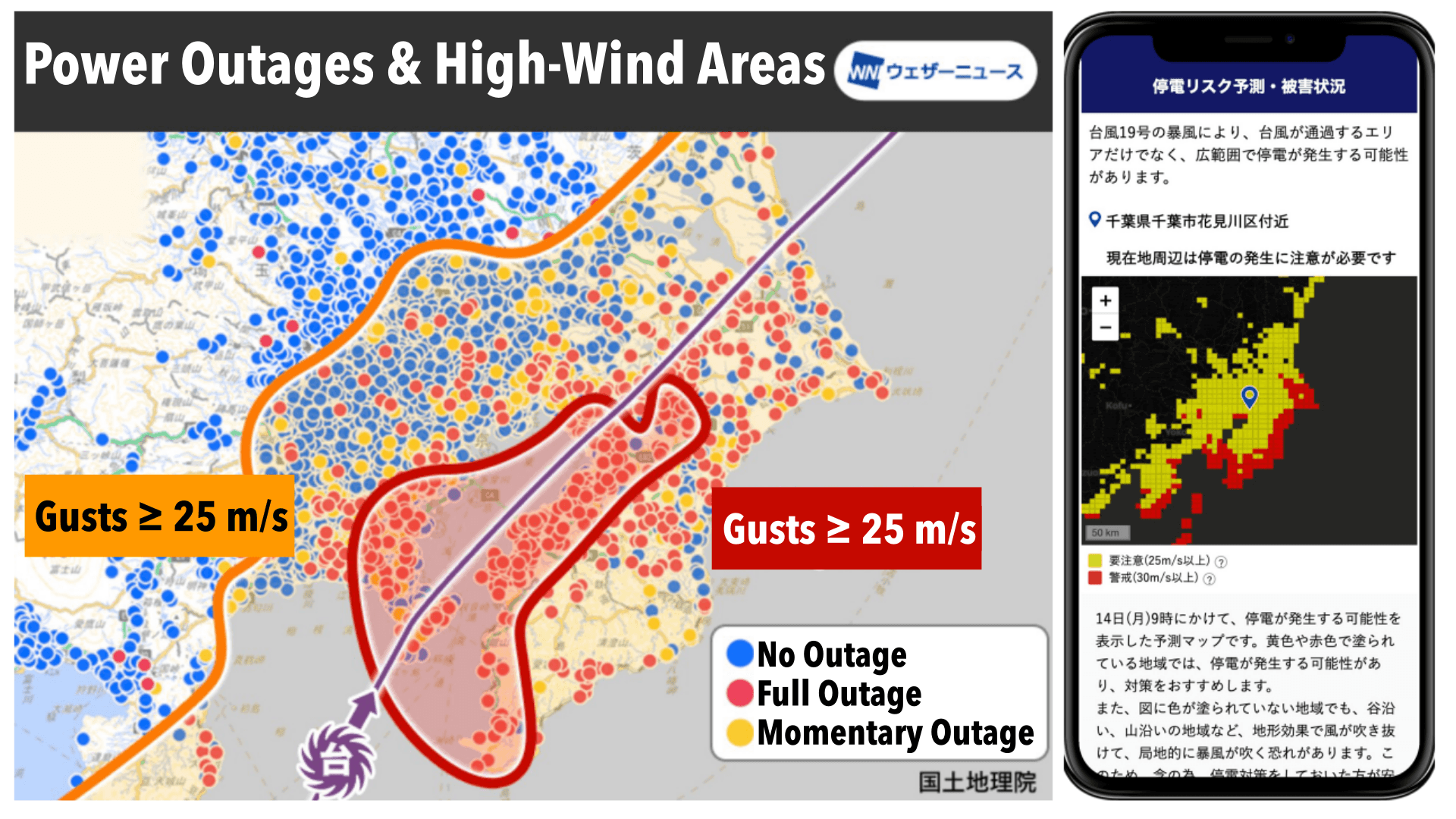
Power Outage Risk Forecast (2021) ・Derived from typhoon-related outage reports and wind speed analysis.
Electricity Supply-Demand Forecast (2022) ・Combining energy supply data with our proprietary demand prediction models, enhanced by supporter feedback.
Driving Risk Forecast (2022) ・Evaluating impacts on road surfaces, visibility, and wind conditions across three risk levels.
Hail Risk Forecast (2024) ・Predicting hail risk up to 36 hours ahead.
Today, these unique forecasts reach far beyond consumer apps—they're integrated into enterprise data APIs, municipal partnerships, broadcast media, and corporate risk management platforms. Weather Reports have become essential social infrastructure, supporting communities and businesses.
From Japan to the World—Sharing a One-of-a-Kind Community
Over 20 years, we've built a strong bond of trust with our supporters.
The Weather Reports community is so distinctive that it has been featured as a case study at Harvard Business School.
We're confident that the value created by this community will continue to grow. From disaster-resilient Japan, we're now embarking on a new global challenge: sharing this collaborative, life-saving approach to disaster mitigation with communities around the world through the Weather Reports platform.
Together with all of you, Weather Reports will continue evolving into the future.
We sincerely appreciate your continued support and participation.
Footnotes
Share
March 13, 2026
How TV Stations Are Transforming Weather Coverage A New Content Solution Helping Broadcasters Navigate Weather and Disaster Reporting
March 6, 2026
Weathernews Launches Comprehensive BCP Service: Emergency Confirmation Powered by Weather Expertise
March 6, 2026
Taking on Japan's Most Widespread Health Challenge with Data and Passion: Why Weathernews Continues to Strengthen Its Pollen Information and the Commitment Behind It