
January 30, 2026
The Story Behind Specialized Indices That Show How Weather Impacts Daily Life—and How They've Evolved




Have you ever noticed indices like the Laundry Index or UV Index on TV weather programs?
These and many other specialized indices are deeply rooted in Weathernews' history. The Laundry Index, now widely recognized, was actually introduced to TV weather segments more than 40 years ago by Weathernews' predecessor—well ahead of its time. For over four decades, we've continued developing indices that go beyond simply reporting the weather, helping people intuitively understand how weather conditions affect their everyday lives. Today, we've created an impressive 150 different indices.
In this blog post, we'll take you behind the scenes to see how these indices were born—from their little-known origins to uniquely creative examples that might make you think, "That makes sense!"—as we explore the story of Weathernews' weather indices.
1983: The Birth of the “Laundry Index” to Communicate Weather Accurately
In 1983, a predecessor of Weathernews began providing weather information to television stations and dispatching weathercasters. At the time, however, Japan's Meteorological Service Act imposed strict restrictions, prohibiting private companies from issuing their own weather forecasts on TV or radio. Forecasts released by the Japan Meteorological Agency were the only official source, leaving weathercasters in a difficult position.
"The official forecast says it will be sunny, but based on my experience, there's a high chance of rain. I want to communicate that risk to viewers, but I can't."
The solution to this challenge was the Laundry Index. By translating the likelihood of rain into everyday information—such as how easily laundry would dry—the team found a way to indirectly yet reliably convey weather risks to viewers. At the time, using indices to communicate detailed weather insights was highly innovative and perfectly aligned with viewer needs. This breakthrough quickly led to the development of many other indices.
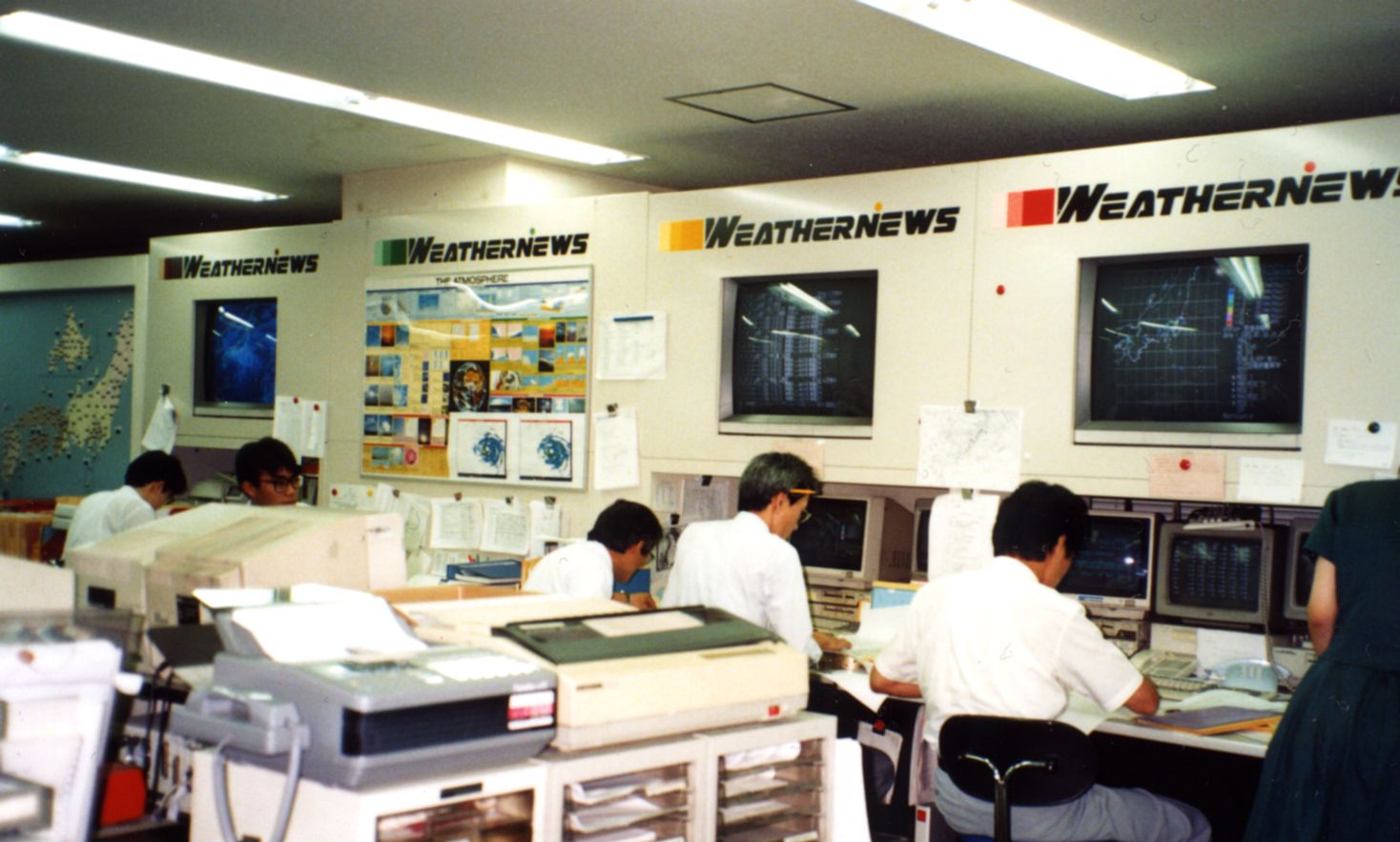
Following the revision of the Meteorological Service Act in 1993, licensed private forecasting companies gained the ability to issue their own weather forecasts. Even today, as many organizations offer their own predictions, Weathernews continues to develop and operate original indices that help people intuitively understand how weather affects their daily lives.
150 Indices and Still Evolving: From Daily Life to Corporate Operations
The indices developed by Weathernews go far beyond familiar ones like the Laundry Index or Umbrella Index. By scientifically analyzing how weather data (temperature, humidity, atmospheric pressure, etc.) affects our health, behavior, and even corporate productivity, we've expanded our lineup from everyday lifestyle applications to highly specialized industrial uses. In total, we now offer 150 different indices.
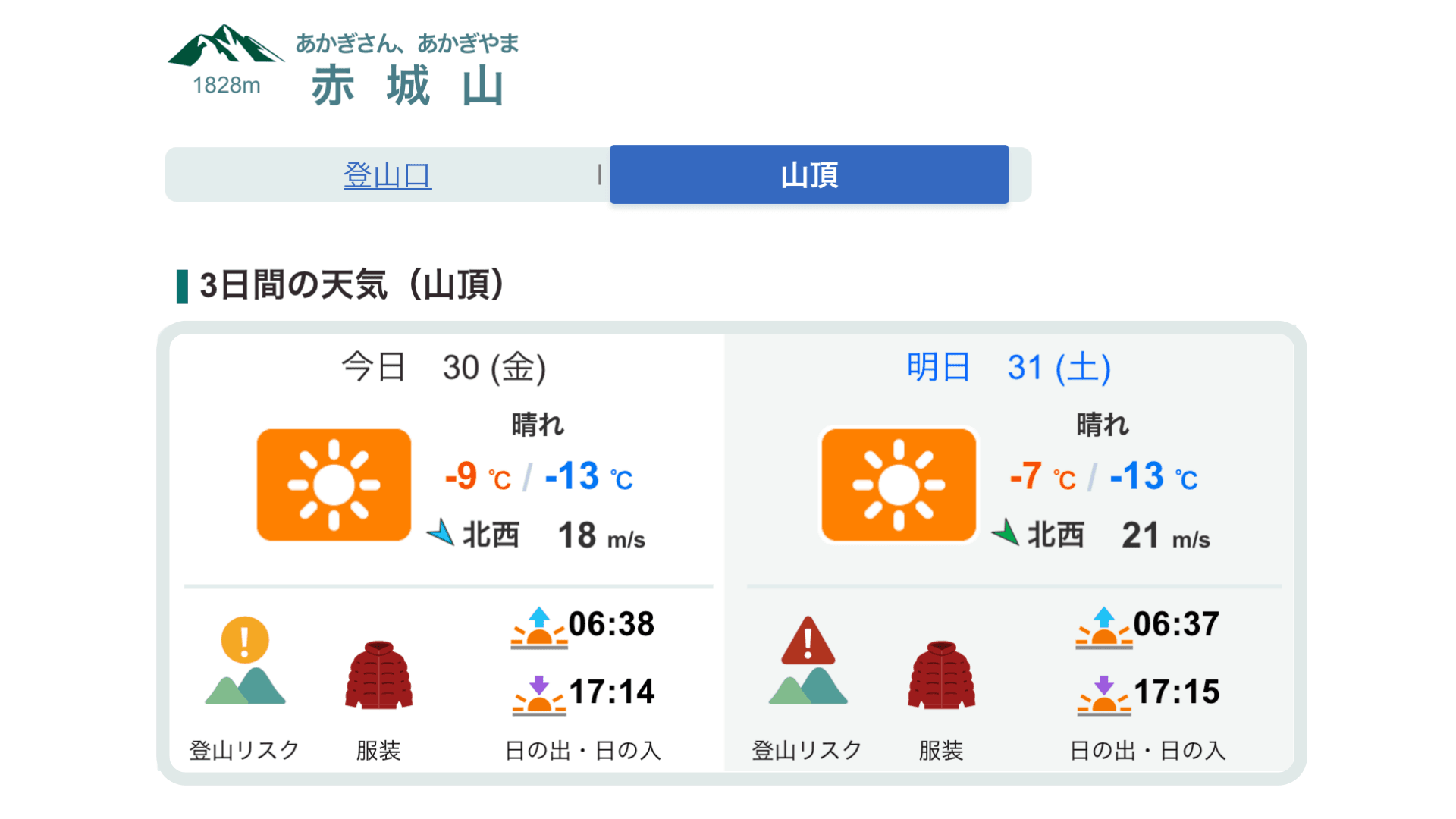
For example, to help people enjoy seasonal activities more fully and safely, we developed the Mountain Clothing Index. Created by mountain weather experts, this index uses proprietary logic that accounts not only for temperature but also wind and humidity to reflect how conditions actually feel. As winter approaches, we even share the seasonal atmosphere through lighthearted indices like the Oden Index (predicting perfect weather for warm comfort food). These unique forecasts are made possible by combining vast amounts of user-submitted "feels-like" reports from the Weathernews app with detailed weather data.
We also offer a wide range of health-related indices. The Virus Prevention Index forecasts the risk of virus activity under cold and dry conditions, while the Weather Pain Forecast estimates physical discomfort based on atmospheric pressure changes. These tools help users manage their health and are widely used for daily self-care.
In addition, Weathernews has developed custom indices for corporate clients. One example is the Pavement Index, jointly developed with Maeda Road Construction Co., Ltd., a major road paving company. Using high-resolution weather data at a 1km mesh, this index provides hour-by-hour guidance tailored specifically to construction decision-making. By enabling advance judgments on whether work can proceed, it helps improve both construction quality and workplace efficiency.

When Weather Meets Marketing: How Indices Help Brands Reach People at the Right Moment
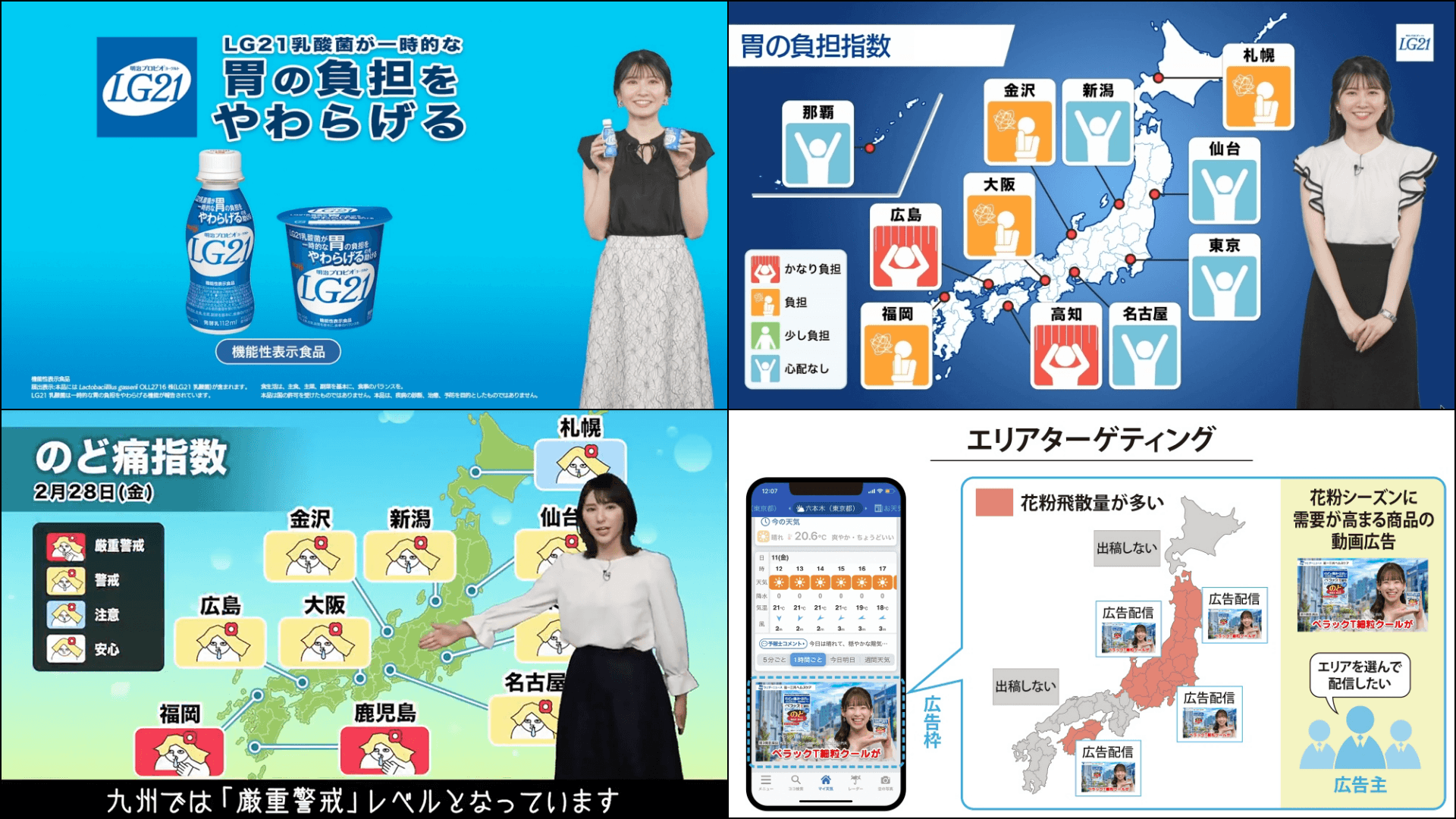
Weathernews operates one of Japan's largest weather platforms, including a specialized weather YouTube channel with over 1.5 million subscribers and the country's most widely used weather app. By combining this platform with our proprietary weather indices, we also support corporate sales and marketing efforts. One example involves hay fever, often referred to as a "national illness" in Japan. To address this issue, we implemented an advertising strategy designed to reach consumers at the moments when they're most sensitive to symptoms. In collaboration with Daiichi Sankyo Healthcare, we developed the Throat Pain Index and used the Weathernews app to help raise users' awareness of self-care. Within the app, video advertisements for throat medications were delivered exclusively to users in areas where pollen levels exceeded a certain threshold. This enabled a highly efficient approach: delivering relevant information to the right people at the right time1.
Another collaboration with Meiji Co., Ltd. focused on helping people manage daily stomach discomfort proactively. Together, we developed the Stomach Burden Index, whose calculation logic is optimized by season under the supervision of medical specialists. In summer, it is based on the Heat Stress Index (WBGT), calculated from four factors—temperature, humidity, wind speed, and solar radiation—, while in autumn and winter it incorporates elements such as temperature differences and wind speed that affect the autonomic nervous system. By sharing forecasts through programs and social media, the initiative helped expand the customer base for Meiji Probio Yogurt LG21.2。
The concept of specialized weather indices, originally created 40 years ago as a way to communicate forecasts more accurately, continues to evolve today as a means of improving daily life through weather insights.
Weathernews will continue to deliver easy-to-understand, weather-driven content that reflects how weather influences our lives, striving to provide information that truly helps people in their everyday decisions.
Explore case studies of weather-driven promotions using Weathernews Ads here
For inquiries about developing a custom “proprietary index” tailored to your products, click here
Footnotes
Share
March 13, 2026
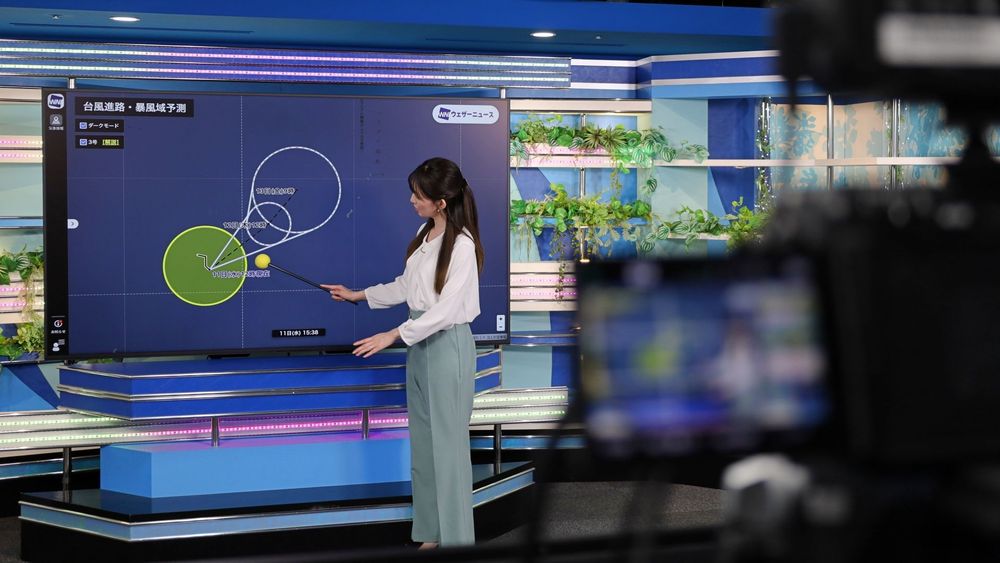
How TV Stations Are Transforming Weather Coverage A New Content Solution Helping Broadcasters Navigate Weather and Disaster Reporting
March 6, 2026
Weathernews Launches Comprehensive BCP Service: Emergency Confirmation Powered by Weather Expertise
March 6, 2026
Taking on Japan's Most Widespread Health Challenge with Data and Passion: Why Weathernews Continues to Strengthen Its Pollen Information and the Commitment Behind It